
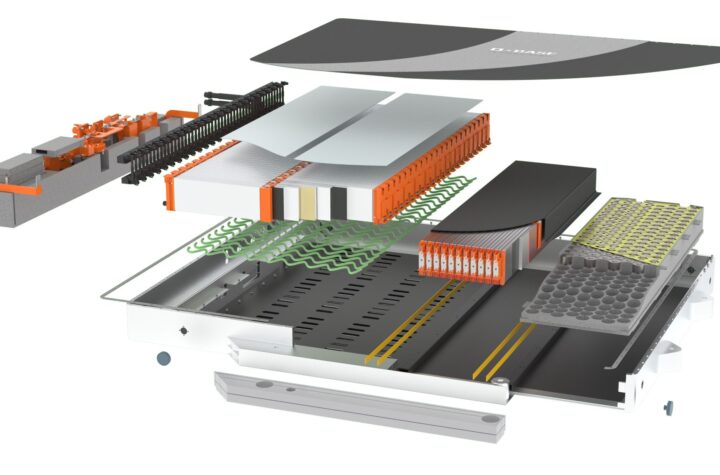
New materials and compounds are needed to support the transition to solid-state batteries, which will enable longer driving ranges, faster...
New materials and compounds are needed to support the transition to solid-state batteries, which will enable longer driving ranges, faster...
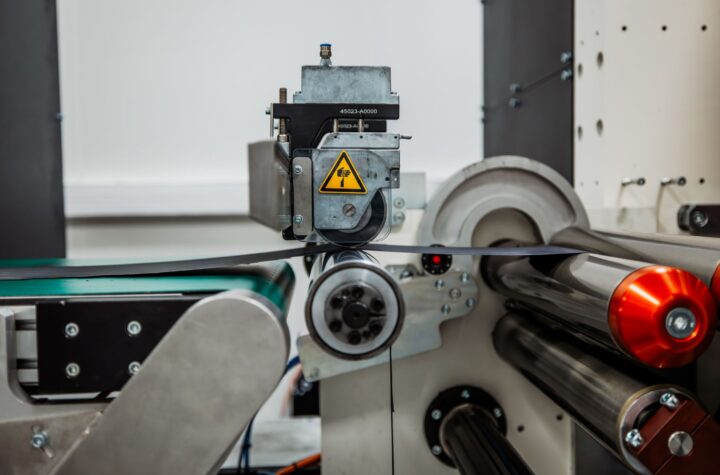
Material waste in battery electrode manufacturing can be reduced by replacing conventional wet coating with dry coating, according to Dürr,...
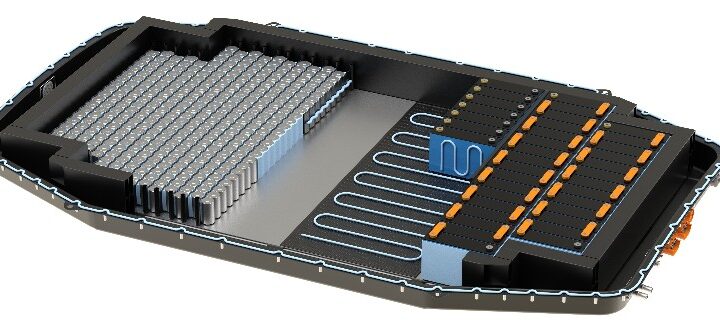
Debonding-on-demand (DoD) technologies enable bonded automotive components to be separated without damage using external triggers such as heat, light, or...
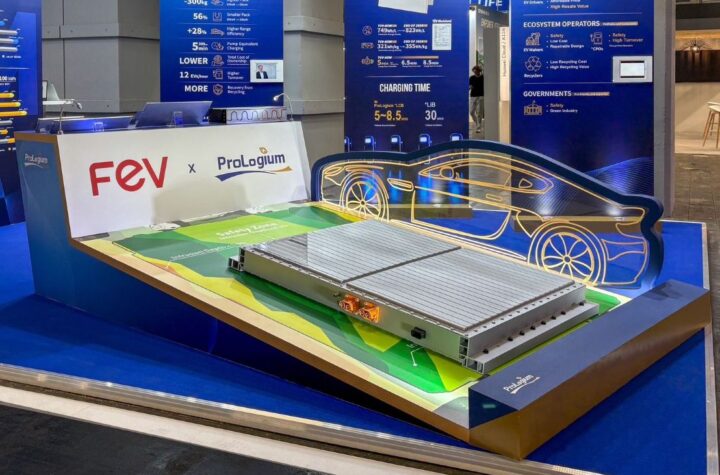
Neither LFP (lithium-ion phosphate) nor NCM (nickel-cobalt-magnesium) battery technologies fully meet all consumer requirements for cost, range, safety, fast charging,...
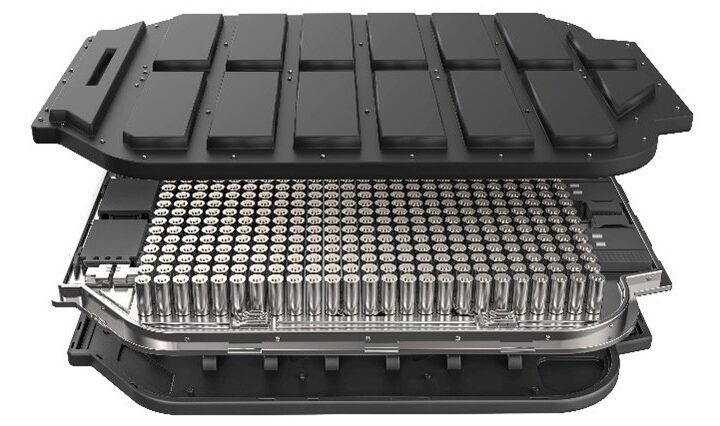
Continuous advancement of electric (EV) battery technology is reducing the proportionate cost of raw materials and of assembly, while providing...
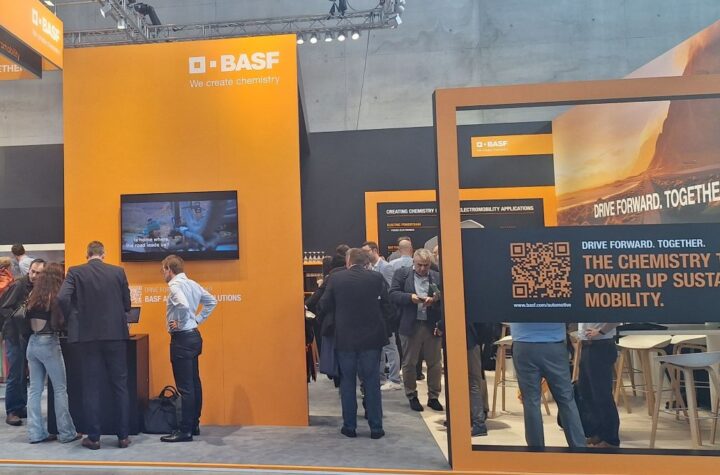
Chemistry science is driving the advances in electric vehicle technology. Tailor-made solutions from BASF play a key role in paving...
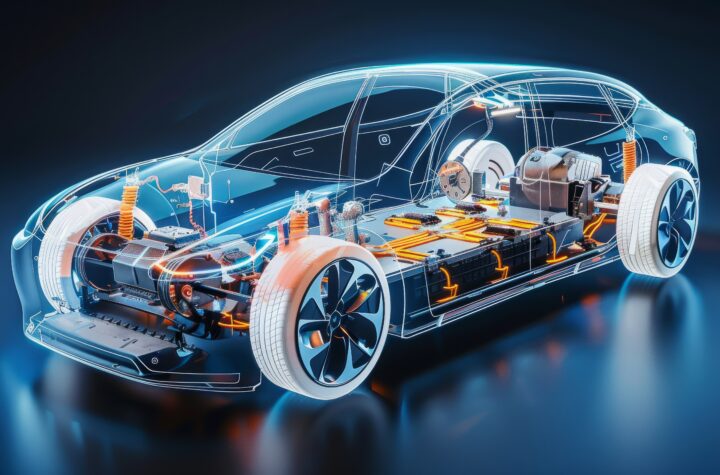
As electric vehicle (EV) charging rates increase, so does the demand for thermal management systems and battery protection technologies....

Engineering companies Dürr and GROB have developed a concept factory for lithium-ion battery cells which needs less space and...
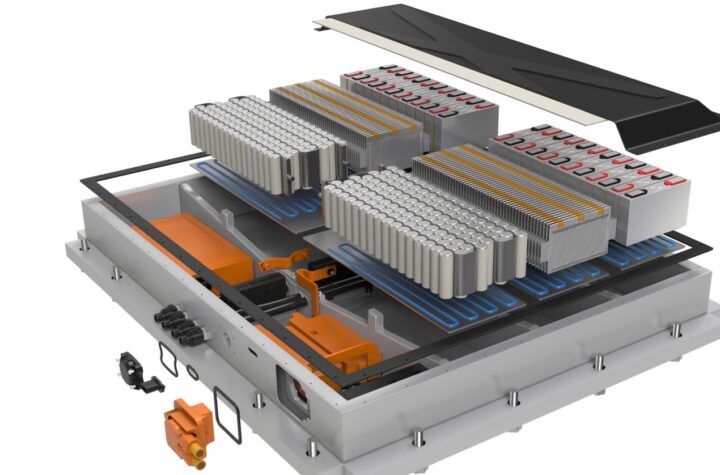
Suppliers to electric vehicle (EV) battery manufacturers are being challenged to combine materials science expertise with world-class in-house advanced...
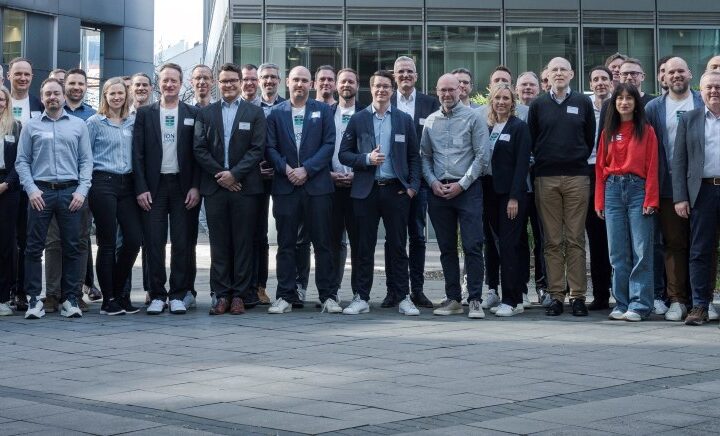
“We come from the worlds of politics, regulation, technology, research and, of course, the business case for e-mobility. And...