
















Image
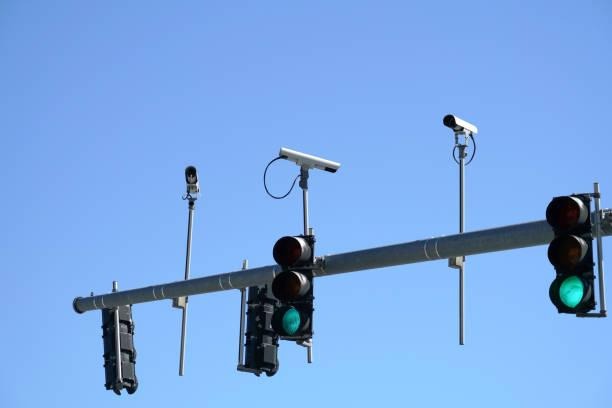
Traffic cameras are used to monitor roads, enforce speed limits, and capture red-light violations. These systems help improve road safety, but they can also result in fines and citations for drivers who break traffic laws. Understanding how they work can help motorists avoid unexpected penalties.
Many cities place traffic and red-light cameras at busy intersections and high-risk roadways where accidents and speeding are more common. These cameras automatically record certain traffic violations and may issue citations without a police officer stopping the driver. Knowing where these systems are commonly used can help drivers stay alert and follow traffic rules.
The laws governing traffic cameras vary by state and municipality. Some jurisdictions have specific rules regarding how camera evidence is used and how citations can be challenged. Understanding these regulations can help drivers better navigate the ticket process and protect their driving records.
Types of Automated Enforcement Technology
Law enforcement agencies utilize several distinct camera systems to monitor traffic flow and catch traffic violators. Red-light cameras are wired directly into the intersection traffic signal and activate the moment a vehicle crosses the stop line after the light turns red. Speed cameras utilize advanced radar or laser technology to calculate a vehicle’s velocity as it passes a specific point on the roadway.
Automatic license plate readers represent another rapidly expanding category of surveillance technology used by state agencies. These high-speed cameras scan thousands of plates per minute to help police locate stolen vehicles or drivers with outstanding warrants.
Statutory Rules and Evidentiary Standards
State legislatures enact precise statutory codes to govern how camera evidence can be introduced in a court of law. For example, under California Vehicle Code § 21455.5, municipalities must provide public notice thirty days before activating a new automated enforcement system. This statute also requires cities to conduct regular equipment audits to ensure the cameras are timing yellow lights accurately.
Most states classify automated camera tickets as civil infractions rather than criminal moving violations. This classification means the citation is issued directly to the registered owner of the vehicle, regardless of who was driving. Because these tickets do not usually report to your personal driving record, they rarely cause an immediate spike in your private auto insurance premiums.
Privacy Concerns and Constitutional Challenges
The widespread expansion of automated traffic cameras has sparked significant legal debates regarding a driver’s constitutional right to privacy. Defense attorneys frequently argue that automated tickets violate the Confrontation Clause of the Sixth Amendment because drivers cannot cross-examine a machine in court. However, most state supreme courts have upheld camera programs by requiring a designated officer to review every video clip before mailing a citation.
The digital storage and sharing of the collected vehicle data also raise substantial civil liberty concerns among motorists. Public safety data compiled by the National Highway Traffic Safety Administration indicates that while cameras lower dangerous T-bone collisions, they can inadvertently increase rear-end accidents as drivers slam on their brakes to avoid a ticket. Balancing automated safety enforcement with constitutional driver protections remains an ongoing challenge for lawmakers.
Key Takeaways
-
Traffic cameras automate law enforcement by capturing speeding, red-light violations, and license plate data.
-
Red-light citations are typically civil infractions issued directly to the registered vehicle owner.
-
California statutes require cities to issue public warnings for thirty days before a new camera system goes live.
-
Automated tickets generally do not add points to your driver’s license or raise your insurance rates.
-
Camera systems can decrease severe broadside accidents but may increase minor rear-end collisions.
-
Every automated citation must be verified by a human law enforcement officer before it is legally valid.


More Stories
Why Acting Fast After a Truck Accident Can Protect Critical Evidence
The Legal Timeline Car Accident Victims Face That Nobody Walks Them Through
What a Workplace Injury Lawyer Does to Advance Your Legal Claim