
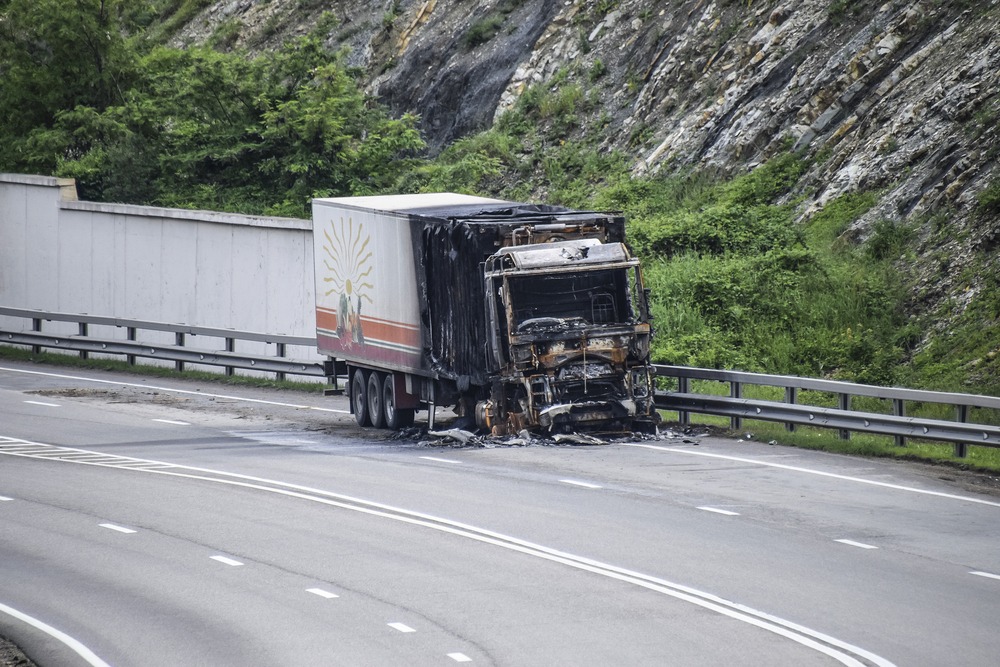
Truck accidents do not leave behind simple answers. They leave a scene filled with movement, noise, confusion, and details that start changing almost immediately. What looks clear in the first few minutes can slowly become harder to understand as time passes. Important facts do not always stay in place, and that creates a problem for anyone trying to figure out what actually happened.
In many cases, discussions around compensation for truck accident injuries begin with one simple issue. Key evidence may not remain available for long, and once it is gone, it cannot always be recreated with the same accuracy.
The Accident Scene Starts Changing Right Away
A truck crash scene is temporary by nature. Vehicles are moved, debris is cleared, and traffic begins flowing again. What remains after a few hours is very different from what existed right after impact.
Even small changes matter. Tire marks fade, glass gets swept away, and vehicle positions are no longer visible. These details often help explain speed, direction, and impact force. Once removed, the original story becomes harder to reconstruct.
Why Time Works Against Evidence in Truck Crashes
Evidence does not wait. It starts disappearing the moment the accident is over. Road activity resumes quickly, and cleanup teams often prioritize reopening traffic.
The weather can also affect the scene. Rain may wash away marks, and wind can move lighter debris. Over time, even the road surface can look completely normal again, leaving very little trace of what happened.
This is why early attention to details often matters more than people expect.
Digital Information That Can Be Lost Without Warning
Modern trucks carry a large amount of digital data. This includes driving logs, GPS tracking, and system records that show speed and movement patterns.
However, this information is not always stored permanently. Some systems overwrite data after a short period. If it is not preserved in time, it may no longer be available later.
This type of evidence often plays a major role in understanding how the truck was being operated before the crash.
Physical Clues That Tell the Story of Impact
Not all evidence is digital. Some of the most important details exist on the road itself. Skid marks, broken parts, and vehicle resting positions help explain how the collision unfolded.
These physical clues are very sensitive to change. Once traffic resumes or cleanup begins, the original layout is altered. Even photographs taken later may not fully capture what was present immediately after the crash.
Why Trucking Companies Review Incidents Quickly
Trucking companies often begin internal checks soon after a crash. This may include reviewing driver behavior, vehicle data, and trip records.
Because of this early response, important information is often organized quickly on their side. That makes timing important for others who may also need access to the same records later.
Once records are processed or stored differently, they may not be as easy to retrieve in their original form.
Cameras and Footage That Do Not Stay Forever
Many truck accidents are captured by nearby cameras. These can include traffic systems, businesses, or even passing vehicles with dashcams.
The challenge is that video footage is usually not stored for long. Many systems automatically delete older recordings to save space. If not requested or saved in time, this footage may disappear before it is ever reviewed.
This makes early action important for preserving visual evidence that could explain the event clearly.
Witness Memory Becomes Less Reliable Over Time
People who saw the accident can provide helpful details, but memory changes over time. Small parts of the event may become unclear or shift slightly as days pass.
What someone remembers immediately after the crash is often more accurate than what they recall weeks later. Delays in gathering statements can lead to missing or inconsistent details, which makes the overall picture less complete.
Delayed Action Can Create Gaps in the Story
Waiting too long after a truck accident often results in missing pieces of information. Physical evidence may be gone, digital records may be overwritten, and witness memories may fade.
Even the environment itself changes. Roads may be repaired, cleaned, or altered. Once that happens, it becomes difficult to recreate the exact conditions that existed during the crash.
These gaps can make it harder to understand how everything originally occurred.
Final Thoughts
Truck accident evidence does not stay stable for long. It shifts, fades, and sometimes disappears completely within a short period. That is why timing plays such a strong role in understanding what happened.
In situations involving compensation for truck accident injuries, early attention to evidence often determines how complete the final picture can be. Once details are lost, they cannot always be rebuilt with the same level of accuracy, which makes early action one of the most important steps in the entire process.
More Stories
Envalior on new thermoplastic formulations to meet HV heat challenges
Schaeffler and Sonatus partnership brings Edge AI to motion control for software-defined vehicles
How Marelli is supporting the transition from ICE to electric powertrains