
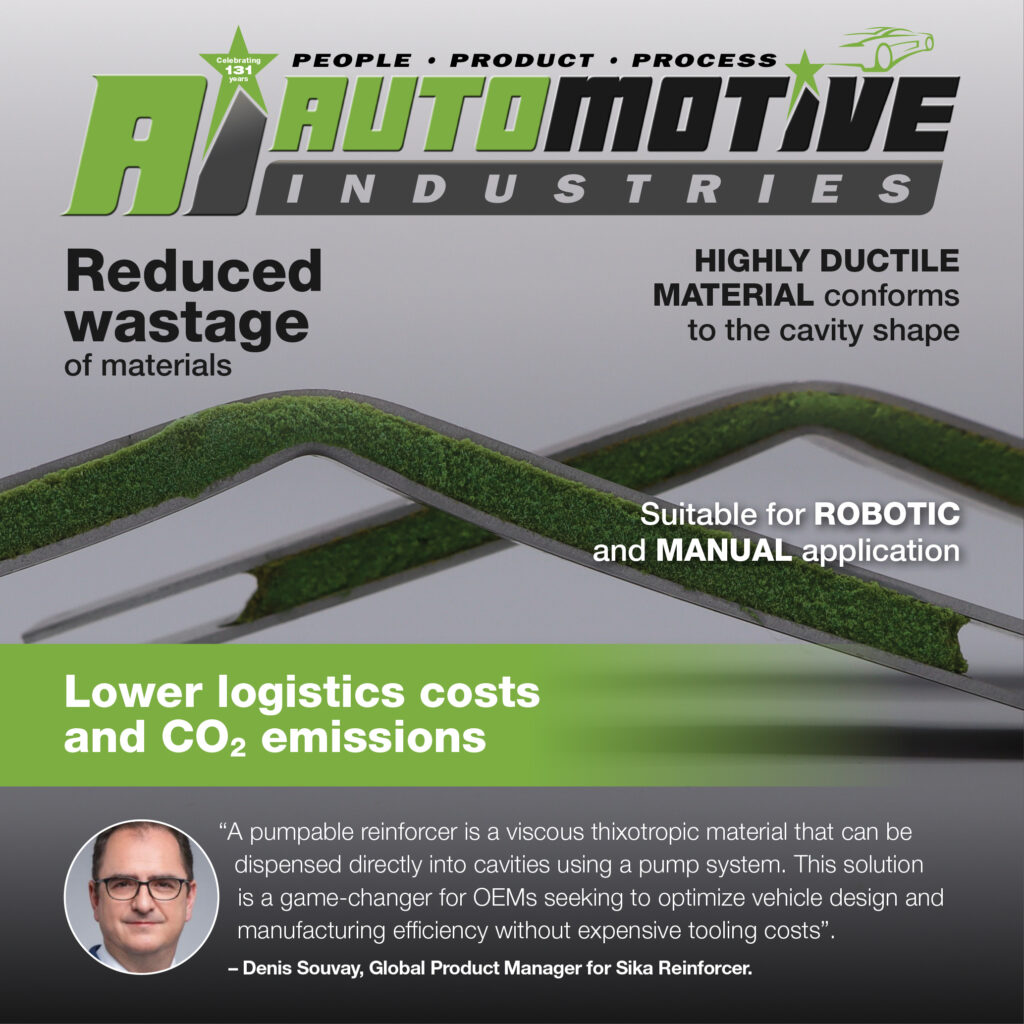
As automotive design trends shift toward tighter geometric cavities and increased automation, Sika is pushing the boundaries on what is possible in the execution of structural reinforcement solutions.

Denis Souvay, Global Product Manager for Sika Reinforcer, shares insights into a breakthrough solution: the pumpable reinforcer.
AI: What is a pumpable reinforcer, and how does it differ from traditional reinforcer parts?
Souvay: A pumpable reinforcer is a viscous thixotropic material that can be dispensed directly into cavities using a pump system. This solution is a game-changer for OEMs seeking to optimize vehicle design and manufacturing efficiency without expensive tooling costs.
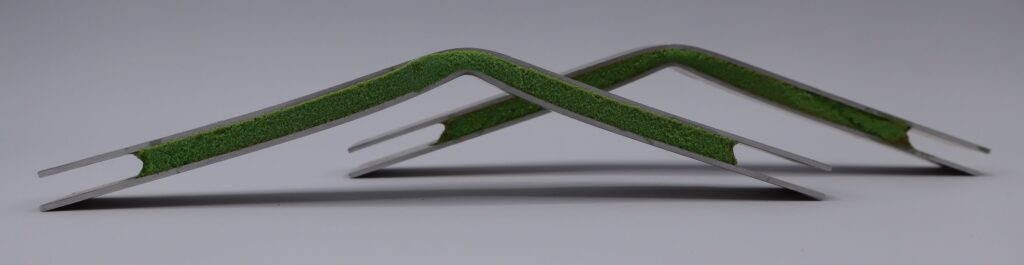
It is a highly ductile material that conforms to the shape of the cavity, eliminating the need for custom parts and enabling reinforcement in areas previously inaccessible.
It also expands (150% expansion rate) using existing heat from the e-coat oven bake out that occurs in the manufacturing process. This material’s exceptional compression strength makes it ideal for reinforcement applications.
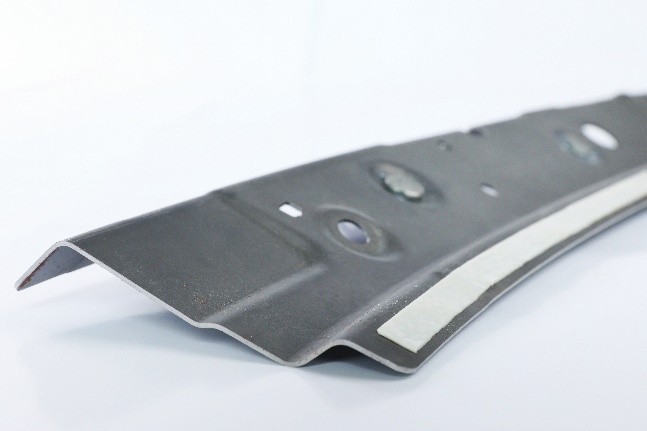
In comparison, traditional reinforcer parts are molded components or extruded tapes that are pre-shaped and manually placed into vehicle cavities to enhance stiffness and crash performance.
Vehicle cavities can be limited by their geometry shape and volume, making it difficult for parts to be placed. This is where a solution such as a pumpable reinforcer can be advantageous for the OEM.
AI: Where is it typically applied within the vehicle?
Souvay: Pumpable reinforcer is ideal for small and complex cavities, such as rocker panels, roof rails, and cross members. The pumpable solution ensures full cavity coverage (up to 15 to 20 mm gap), improving performance without compromising design.
AI: Can it be applied manually, or is robotic application required?
Souvay: While robotic application is preferred for consistency and speed (especially in high-volume production) manual application is entirely feasible. This makes the technology accessible to OEMs, Tier suppliers, and specialty vehicle manufacturers.
AI: Does the material offer significant wash-out resistance?
Souvay: Yes. The pumpable reinforcer is formulated to resist wash-out during pre-treatment and e-coat processes, which involve high-pressure water sprays and chemical baths. Its adhesion and stability ensure it remains in place until fully cured, maintaining its structural function throughout the vehicle lifecycle.
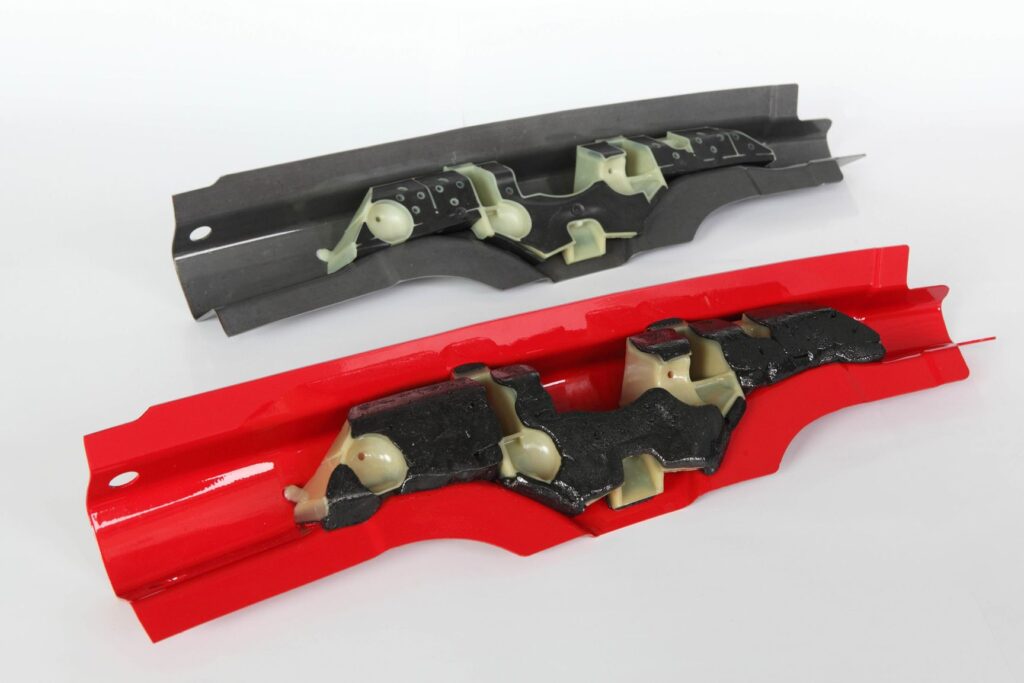
And for those that may not know what wash out resistance is, simply put; it is a material or component’s ability to resist being removed or degraded by liquids and post rinsing process.
AI: What problems does this innovation solve for OEMs?
Souvay: This innovation addresses key challenges that OEMs face as the automotive industry progresses to new ideas and concepts.
- First, automation compatibility: as pumpable systems integrate seamlessly with robotic dispensing, supporting Industry 4.0 goals
- Second, design freedom: allowing OEMs to design without being limited by the need to accommodate rigid reinforcer parts. It also allows customers to implement dimensional changes if needed without toll change costs.
- Finally, cost and logistics: Reducing the need for multiple and simplify inventory management. As traditional parts come in boxes or bins, pumpable reinforcer is packaged in drums, reducing the shipping costs from many parts in boxes to drums on a pallet.
AI: Are there cost savings compared to traditional tapes?
Souvay: Yes, and they come from multiple angles:
- Reduced material waste: No trimming or shaping required
- Lower labor costs: Faster application, especially with robots
- Simplified logistics: One material replaces many part variants
- Improved performance: Better cavity coverage can reduce the need for additional reinforcements.
AI: Can this material be used elsewhere in the vehicle?
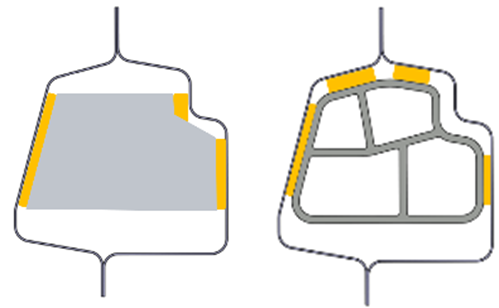
Souvay: Absolutely. Beyond small cavities, pumpable reinforcer can be adapted for EVS in applications for sill reinforcement, door structures, hatchback frames, and underbody components.
Its versatility makes it a valuable tool for lightweighting, NVH improvement, and crash performance enhancement across the vehicle.
AI: How does pumpable reinforcer contribute to sustainability goals?
Souvay: Pumpable reinforcer provides an OEM with design freedom in the Body-In-White to potentially use less metal and pursue lightweight vehicle design.
Additionally, its precise application minimizes waste, and Sika is actively working on bio-based and recyclable formulations to further reduce environmental impact.
As mentioned earlier, traditional reinforcer parts or tapes are sent in many boxes for shipment to the OEM or Tier supplier for application.
In comparison, bulk pumpable reinforcer is packed into drums, leading to significant reductions in shipping volumes. This can equate to cost savings in freight and reduction of CO2 emissions.
AI: What testing and validation was undertaken to meet OEM requirements?
Souvay: Pumpable reinforcer undergoes rigorous testing, including:
- Crash simulation and physical testing
- Durability and aging studies
- Thermal and chemical resistance
- Adhesion and curing performance.
Sika works closely with OEMs to customize formulations and ensure compliance with global automotive standards.
Our global and local network of R&D capabilities with core technology centers in every region allow Sika to tackle the most demanding projects with labs equipped to handle any OEM testing requirements. We strive to work as partners with our customers as we believe in relationships beyond the chemistry.
More Stories
Envalior on new thermoplastic formulations to meet HV heat challenges
How Road Conditions Can Contribute to Motorcycle Accidents in Washington
The Step-by-Step Panel Beating and Repair Handover Process with Certified Auto Body Specialists