
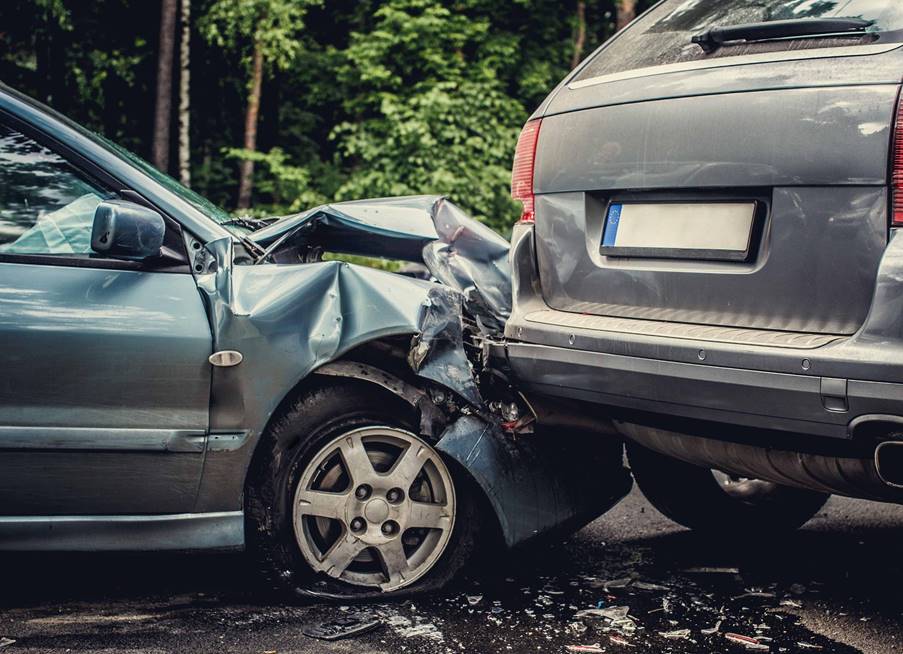
Single-vehicle crashes happen more often than many people think, especially on roads people use every day. These crashes occur when a car loses control and hits other objects on the road without crashing into another vehicle. Despite involving only one vehicle, these crashes can be just as severe and sometimes even more dangerous than multi-vehicle accidents.
When a single-vehicle accident occurs, many people assume the driver is automatically at fault, but that’s not always true. Road hazards, poor weather, vehicle malfunctions, and unexpected obstacles can all play a major role. Understanding these factors is important because it helps victims know their rights and take the right legal steps after a crash.
Factors That Increase the Risks of Single-Vehicle Crashes
Dangerous Road Conditions
Poor road conditions are one of the common causes of single-vehicle crashes because they disturb a car’s balance and control. Potholes, cracks, loose gravel, and uneven surfaces can make a driver lose his control over the steering wheel. Debris, bad lighting, and faded lane markings make these dangers harder to see, so drivers must slow down and stay alert on unfamiliar or damaged roads.
City departments or contractors may fail to maintain roads properly, leaving drivers exposed to hidden hazards. Even a small object like a stone or a branch can force a driver to swerve and lose control, resulting in an accident.
Vehicle Defects
In some crashes, the problem arises due to mechanical failures inside the vehicle itself. Brake failure can prevent a driver from stopping on time, especially during turns or near intersections. Tire blowouts are extremely dangerous because they can cause the vehicle to suddenly pull to one side, making it much harder to control immediately.
Other issues, such as steering malfunctions, engine problems, or suspension damage, can appear without warning. Some defects happen due to normal wear and tear, while others are caused by manufacturing errors. Regular servicing and inspections help drivers identify problems early and avoid sudden mechanical failures.
Poor Weather Conditions
Weather changes can easily turn a normal road into a dangerous one. When it rains, the road becomes slippery because the water reduces tire grip, and even a drizzle mixed with oil on the road surface can make the conditions even more dangerous. Fog also creates serious risks because it blocks your view, making it hard to see other objects, sharp turns, or obstacles in front of you.
Strong winds can push vehicles sideways, especially lighter cars or those traveling at higher speeds. Snow and ice, though less common in many places, create extremely slippery conditions that lead to skidding. Because the weather is unpredictable, drivers must slow down and stay extra cautious in unpredictable weather conditions.
Sudden Obstacles
Unexpected obstacles can appear on the road without any warning. Animals crossing, pedestrians stepping out, or objects falling from another vehicle need a prompt reaction. Swerving too hard to avoid these obstacles can cause the car to drift off the road, spin out, or overturn.
Sometimes, the safest choice is to brake steadily and keep the vehicle straight instead of turning sharply. Defensive driving, staying alert, scanning the road, and looking ahead help drivers respond safely to sudden hazards. This is especially important in areas known for wildlife, schools, or heavy foot traffic.
Negligent Third Parties
A single-vehicle crash does not always mean the driver is at fault. Another driver’s reckless actions, such as cutting off, speeding, tailgating, or failing to signal, can force someone else to swerve or brake suddenly. Even if the negligent driver makes no physical contact, their behavior can directly trigger the crash.
Hit-and-run situations can also cause single-vehicle accidents when the reckless driver flees after forcing another car off the road. In these cases, documenting the scene, gathering witness statements, and reporting the incident are important for insurance claims. These steps help prove that another driver’s negligence led to the crash.
Key Takeaways
- Single-vehicle crashes can be just as serious as multi-vehicle accidents and often happen on familiar roads.
- Drivers are not always at fault; road hazards, weather, and mechanical issues can all contribute.
- Poor road conditions like potholes, debris, and bad lighting increase the risk of losing control.
- Vehicle defects such as brake failures or tire blowouts can cause sudden, dangerous loss of control.
- Negligent actions by other drivers or unexpected obstacles can trigger a crash even without direct impact.

More Stories
Michigan based Kinetyc and Klear unite to remove barriers for next generation of manufacturers
IMPROVED advises The Mobility House on the divestment of its fleet solutions business unit to Edenred
Evonik enables sustainable value chains with ISCC Plus-certified ULTRASIL® eCO