
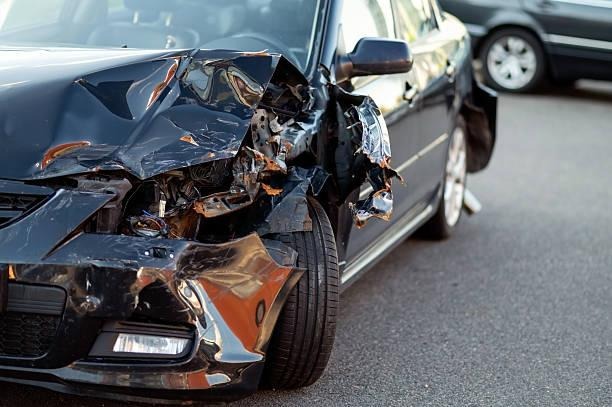
If you are injured in a Virginia car accident, the person or party responsible for causing the crash is generally responsible for paying your damages. Compensation may come through the at-fault driver’s insurance policy, your own insurance in certain situations, or other available sources depending on the facts of the case. Understanding how Virginia’s fault-based system works can help you know what to expect after an accident.
A car accident can leave you with medical bills, lost income, vehicle repair costs, and emotional stress. While recovering from your injuries, it is natural to wonder who will cover these expenses and how the claims process works. The answer depends on several factors, including fault, insurance coverage, and the evidence available.
Seeking compensation after a car crash often begins with determining who caused the accident and whether sufficient insurance coverage is available. Because every collision is different, understanding the legal process can help you make informed decisions during your recovery.
Virginia is an At-fault State
Virginia follows an at-fault system for motor vehicle accidents.
This means the driver who caused the accident is generally responsible for paying the damages suffered by injured parties. If another driver’s negligence caused your injuries, you may pursue compensation through that driver’s insurance company or, if necessary, through a personal injury lawsuit.
Establishing fault is one of the most important parts of the claims process.
What Damages May Be Covered?
A successful claim may include compensation for several types of losses, including:
-
Medical expenses
-
Future medical treatment
-
Lost wages
-
Reduced earning capacity
-
Property damage
-
Rehabilitation costs
The exact damages available depend on the facts of your case and the evidence supporting your losses.
The Importance of Insurance Coverage
Most claims begin with the at-fault driver’s liability insurance. Insurance companies investigate the accident by reviewing police reports, medical records, witness statements, photographs, and other evidence before determining liability and evaluating damages.
If insurance coverage is insufficient, other legal options may be available depending on the circumstances.
Virginia’s Contributory Negligence Rule
Virginia applies one of the strictest negligence standards in the country. Under the doctrine of contributory negligence, an injured person who is found even slightly responsible for causing the accident may be barred from recovering damages in many situations. Because fault plays such a significant role, gathering strong evidence is especially important.
This rule makes accident investigations particularly critical in Virginia cases.
Evidence Can Strengthen Your Claim
The strength of your evidence often affects both liability and compensation.
Helpful evidence includes:
-
Police reports
-
Photos of the accident scene
-
Witness statements
-
Medical records
-
Vehicle damage
-
Traffic camera footage
-
Expert accident reconstruction when necessary
Preserving evidence as soon as possible after the accident can improve your ability to support your claim.
Virginia Law on Driver Responsibility
Virginia law requires drivers to exercise reasonable care while operating their vehicles.
For example, Virginia Code § 46.2-852 prohibits reckless driving by operating a vehicle in a manner that endangers life, limb, or property. While not every accident involves reckless driving, violations of traffic laws may become important evidence when determining fault in a personal injury claim.
An attorney can explain how specific traffic laws may apply to your case.
Why Medical Treatment Matters
Prompt medical care benefits both your health and your claim.
Some injuries, such as concussions or internal injuries, may not produce immediate symptoms. Seeking treatment quickly helps identify hidden injuries while creating medical documentation that supports your claim.
Following your doctor’s recommendations throughout recovery also demonstrates the seriousness of your injuries.
When to Speak With an Attorney
Car accident claims can become complicated when liability is disputed, injuries are serious, or insurance companies deny responsibility.
An experienced personal injury attorney can investigate the accident, gather evidence, negotiate with insurance companies, and explain your legal options. Having legal guidance may be especially valuable in Virginia because of the state’s contributory negligence rule.
Key Takeaways
-
Virginia follows an at-fault system for car accident claims.
-
The driver who caused the accident is generally responsible for paying damages.
-
Compensation may include medical bills, lost wages, pain and suffering, and property damage.
-
Virginia’s contributory negligence rule can affect your ability to recover compensation.
-
Strong evidence is essential for establishing fault.
-
Virginia Code § 46.2-852 addresses reckless driving that may become relevant in certain accident cases.
-
Prompt medical treatment and legal guidance can strengthen your claim and help protect your rights.


More Stories
Injured in a Motorcycle Crash? Talk to an Attorney Now
What to Do After a Motorcycle Accident to Protect Yourself
Why Is It Considered Unsafe to Drive Barefoot?