
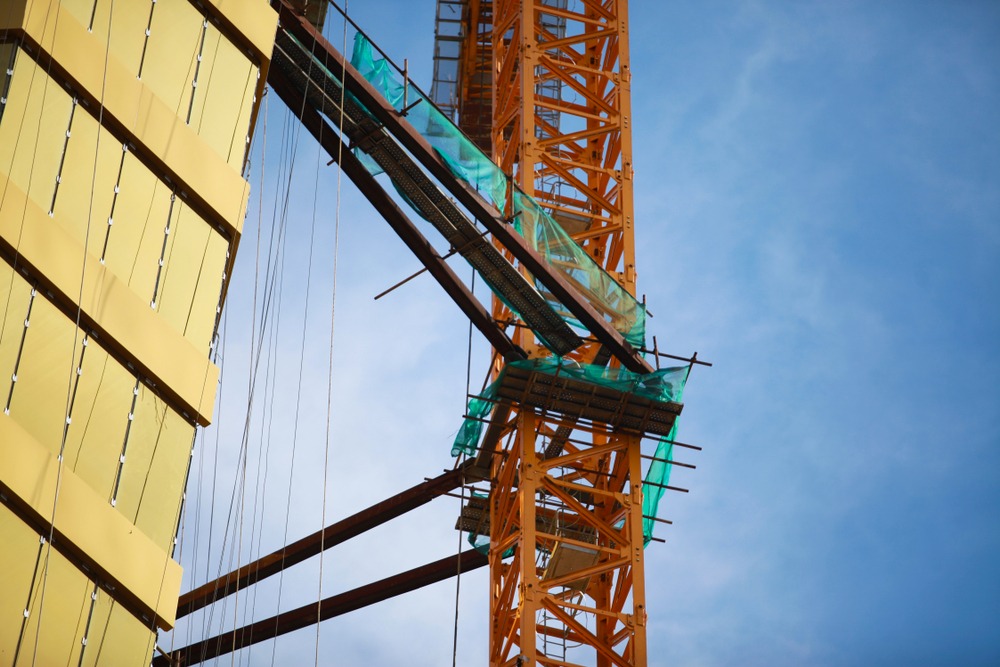
A ladder or scaffold accident often looks like a single mistake frozen in time. One moment, a worker is elevated, and the next moment, everything changes on the ground. That surface-level view is usually the first impression, but it rarely survives the full investigation. The truth tends to unfold in layers, and each layer adds a new detail that reshapes what actually happened.
This is where the role of a 240 Scaffold Law attorney becomes relevant in understanding how these cases are later interpreted, especially when height-related safety rules are involved in construction environments.
What appears to be a sudden fall is usually the endpoint of a much longer chain of conditions that were already in motion.
What Investigators Focus on First
The first step in any investigation is not theory, but structure. Investigators begin by studying the physical scene exactly as it existed at the moment of the incident. They look at where the ladder or scaffold was placed, how it was supported, and whether the setup matched expected safety standards.
Surface conditions also matter. A small shift in ground stability or an uneven base can change everything about how a ladder performs under weight. Lighting, spacing, and surrounding activity are also reviewed to understand the working environment at that exact moment.
At this stage, the goal is not to assign responsibility but to rebuild the scene piece by piece so nothing is assumed or missed.
The Story That Begins Before the Incident
As the investigation continues, attention moves backward in time. The focus shifts away from the fall itself and toward what led up to it. This is often where the real structure of the incident begins to appear.
Setup decisions play a major role. A ladder may have been placed quickly to meet a task demand. A scaffold may have been assembled under time pressure without full stabilization. These decisions are not treated as isolated actions but as part of a larger workflow.
The investigation tries to understand whether the conditions were properly prepared or whether the environment was already compromised before anyone stepped onto the equipment.
Equipment Condition as a Silent Factor
Ladders and scaffolds often carry hidden histories. Wear and tear does not always appear obvious, yet it can influence stability in important ways. Investigators closely review whether equipment was inspected, maintained, or replaced when needed.
Loose joints, missing safety parts, or uneven support structures may not cause immediate failure, but they can weaken reliability over time. When these details are discovered, they often shift how the entire incident is understood.
This stage of investigation shows that equipment is not just a tool used in the moment but part of an ongoing safety system that requires consistent attention.
How Worksite Pressure Shapes Conditions
Beyond physical tools, investigators also look at the environment surrounding the work. Construction settings often involve schedules, deadlines, and coordinated tasks happening at the same time.
These conditions can influence how work is performed. Tasks may be completed quickly to stay on schedule. Safety steps may be shortened without clear intention. Communication between teams may not always capture every detail of ongoing activity.
None of these factors alone explains an accident, but together they help form the context in which decisions were made before the fall occurred.
Building the Full Chain of Events
As more information is gathered, investigators begin constructing a sequence rather than focusing on a single moment. This chain includes preparation, setup, execution, and the final incident itself.
Each stage is reviewed to identify where conditions changed or where a gap appeared. Sometimes the issue is early in the process, such as an incomplete setup. Other times, it appears later, such as unexpected movement or instability during use.
The purpose of this chain is not to simplify the event but to show how multiple steps connect to produce one outcome.
Why Responsibility Is Often Shared Across Layers
Construction work rarely operates through a single decision point. Multiple roles are involved in planning, supervision, and execution. Because of this structure, investigations often examine how responsibilities were distributed across different levels of the project.
It is not only about who was present at the moment of the fall. It is also about how instructions were given, how equipment was approved, and how safety conditions were maintained across the site.
This layered approach helps explain why findings often extend beyond one individual action.
Closing Thoughts
Every ladder or scaffold injury investigation ultimately reveals more than a single point of failure. It shows how conditions, decisions, and environment interact over time.
This is where the perspective of a 240 Scaffold Law attorney often becomes part of the broader legal understanding, especially in cases where height safety standards and site responsibility are closely examined.
The final story is rarely about one step or one mistake. It is about how multiple small factors align in a way that leads to a sudden and visible outcome, even though the process began long before anyone realized it.


More Stories
Multi-constellation GNSS positioning, navigation, and tracking Click from MIKROE includes free six-month license of Skylark Precise Positioning Service
Ford and Geely Join Forces as Global Automotive Collaboration Enters a New Phase
Olaf Mußhoff on Innovation, AI, Sustainability and Why Automechanika Frankfurt 2026 Will Shape Automotive Aftermarket Success Worldwide