
By Adam Bent, CEO Monthly
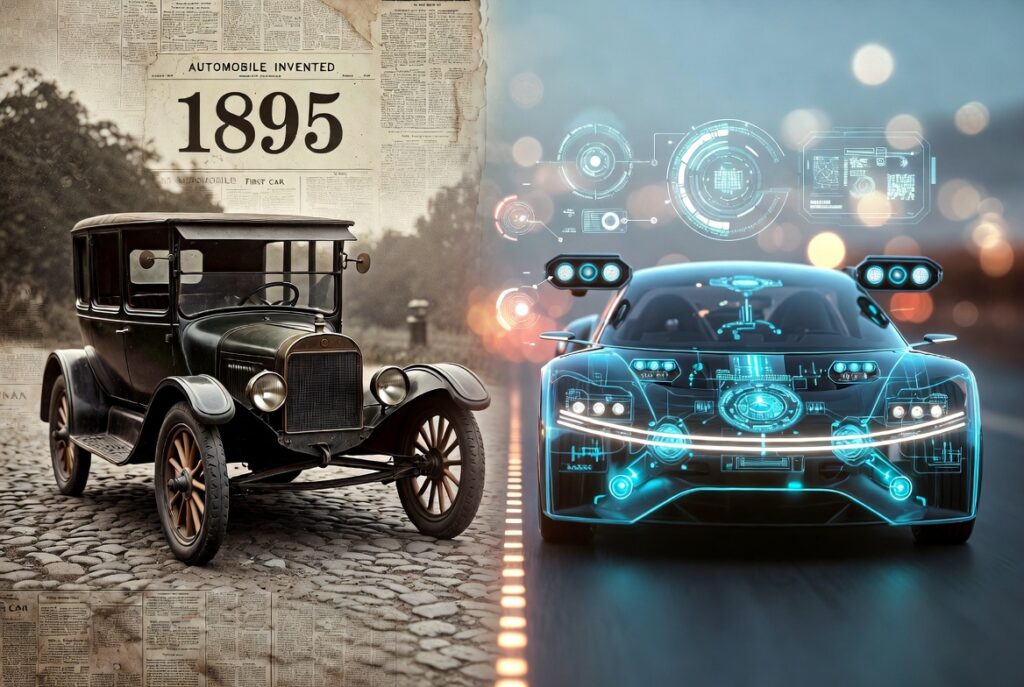
In an industry defined by constant movement, few publications have witnessed as much change as Automotive Industries. Founded in 1895 when the motor vehicle itself was still an emerging idea, the publication has followed the automotive sector through mass production, electrification, global supply chains, digital engineering and the growing influence of artificial intelligence.
Today, Automotive Industries, also known as AI, operates as a specialist media platform serving professionals involved in the design, manufacture and development of vehicles and mobility technologies. Led by Publisher John Larkin, the publication combines a historic print identity with digital news, industry analysis, interviews, mobile access and a library of archival editions that document the automotive industry’s evolution across generations.
For Larkin, the longevity of the publication is not simply a milestone to preserve. It is a foundation from which AI can continue interpreting a sector experiencing some of its most significant changes to date.
“History is valuable when it helps people understand the present more clearly,” says Larkin. “Automotive Industries has covered the sector from its earliest beginnings, but our responsibility today is to give engineers, manufacturers, suppliers and technology companies a credible place to explain where mobility is going next.”
The timing is significant. The modern automotive industry is being reshaped by electric vehicle development, software-defined vehicles, automated driving, cybersecurity, advanced materials, supply chain pressures and new manufacturing processes. Carmakers are no longer competing only around horsepower, comfort or design. Increasingly, they must understand batteries, sensors, data, sustainability, connectivity and the software architecture that determines how a vehicle performs throughout its life.
AI’s current editorial coverage reflects that widening landscape. Its website organises coverage across engineering and design, powertrain, electronics, information technology, manufacturing and production, purchasing, logistics, research and development, fuels, retail, marketing and supplier networks. Recent coverage has examined subjects including AI-driven vehicle cybersecurity, circular manufacturing and geospatial intelligence for automated driving.
For a specialist publication, this creates both an editorial opportunity and a commercial one. Technology companies entering automotive markets often need to explain highly technical innovations to decision-makers who understand the stakes but may be navigating increasingly crowded fields of suppliers and solutions. Manufacturers, meanwhile, need access to reliable information about technologies capable of improving safety, efficiency, sustainability and production outcomes.
“The automotive conversation has become broader and more technical at the same time,” Larkin says. “The industry still revolves around vehicles, but those vehicles now bring together software, energy systems, materials science, manufacturing intelligence and human experience. Our role is to help the people creating those solutions reach the people who need to understand them.”
That focus is captured in the publication’s established emphasis on “People, Product, Process.” While products and production technologies remain central to the automotive sector, AI’s editorial identity recognises that innovations are ultimately driven by engineers, designers, executives, researchers and suppliers solving practical problems.
The publication’s long history also gives it an asset few modern media businesses can reproduce: an archive tracing the development of an entire industrial era. AI offers access to historic editions through its library service, including issues from decades when automobiles moved from novel machines to defining features of economic and social life. Those archives hold relevance for researchers, collectors, universities and automotive organisations seeking to understand how earlier innovations, markets and manufacturers were documented at the time.
Yet AI’s business is not defined only by its archive. The publication maintains a digital news presence, offers mobile app access and provides sponsorship and visibility opportunities for companies seeking to reach an automotive industry readership. In doing so, it reflects a broader reality facing established publishing brands: heritage may provide credibility, but relevance depends on meeting readers in contemporary formats.
“A respected name gives you an important starting point, but it does not remove the need to keep earning attention,” says Larkin. “Automotive professionals need information that is accessible, timely and worth engaging with. Whether a story appears online, through mobile channels or in a special print edition, it must have substance behind it.”
This balance between heritage and immediacy is particularly important in a global industry. Automotive manufacturing and innovation do not operate within a single market or time zone. A development in battery production, autonomous driving, lightweight materials or logistics can have implications for manufacturers and suppliers across several continents. For AI, digital publishing makes it possible to participate in those conversations more continuously, while its established identity distinguishes it within an increasingly fast-moving information environment.
The brand’s position is unusual: it is old enough to have reported on the automobile as an emerging invention, yet it remains focused on technologies that could redefine what a vehicle is and how mobility functions in the future. That continuity gives the publication a narrative extending beyond news cycles or product launches. It has documented an industry built on reinvention because it has had to evolve alongside it.
“There is something remarkable about covering an industry that never stops asking what is possible next,” Larkin says. “The technologies change, the challenges change and the scale becomes more global, but the creative ambition behind mobility remains. Automotive Industries exists to give that ambition a platform.”
As automotive businesses confront the demands of electrification, automation, sustainability and software integration, AI is positioning itself as both a record of where the industry has been and a specialist voice for where it is heading. After more than a century of covering movement, its own next phase is centred on keeping the conversation moving forward.

More Stories
Roboteon’s Raj Senguttuvan on AI Orchestration, Digital Twins and the Future of Intelligent Factory Automation
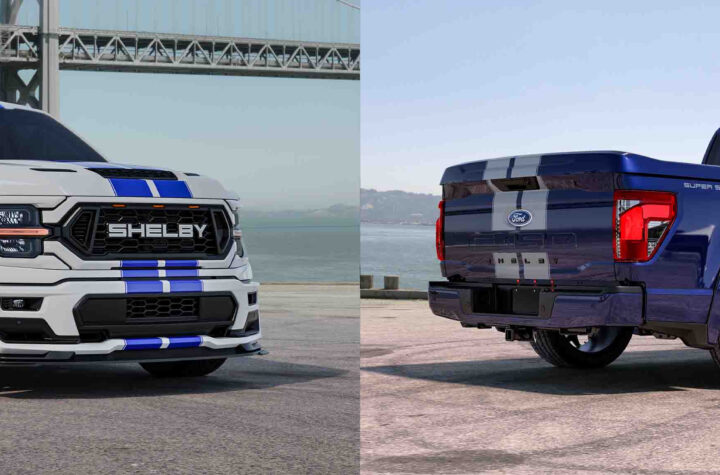
It’s the “Return of the King” as Shelby American Reintroduces F-150 Super Snake Sport Two Door Truck with 810+ Horsepower
Pulse of Quality in Manufacturing Survey Reveals Impact of Geopolitical Tension, Recalls, Trade Tariffs on Automotive Sector