
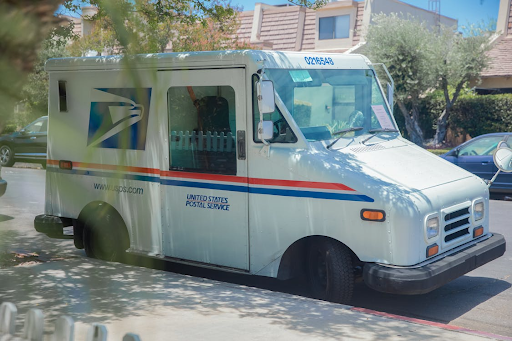
Image by: Pexels
After a USPS truck accident, the most important steps are to seek medical attention, report the accident, collect evidence, and understand your legal rights. Accidents involving USPS vehicles can be more complicated than regular car accidents because the United States Postal Service is a federal agency.
Many people feel confused about the claims process and what actions they should take next. Some victims also wonder, "Can I sue?” after being injured in an accident involving a government vehicle. Knowing what to do immediately after the crash can help protect your health, strengthen your claim, and improve your chances of receiving compensation for damages or injuries.
Check for Injuries and Get Medical Help
Your health should always come first after any accident. Check yourself and others for injuries and call 911 if anyone needs emergency care. Even if you feel fine at first, it is still important to see a doctor as soon as possible.
Some injuries, such as whiplash or internal injuries, may not show symptoms immediately. A medical evaluation creates a record of your injuries, which can also support your insurance claim or legal case later.
Follow all treatment instructions and keep copies of medical records, bills, and prescriptions. These documents may become important if you seek compensation.
Call the Police and Report the Accident
Always contact law enforcement after a USPS truck accident. A police report provides an official record of what happened and may include important details about the crash.
When speaking with officers, explain the facts clearly and honestly. Avoid guessing about fault or making statements you are unsure about. Ask how you can obtain a copy of the accident report once it is completed.
The police report can help insurance companies and attorneys understand the circumstances of the accident.
Gather Evidence at the Scene
If it is safe to do so, collect as much information as possible at the accident scene. Evidence can play a major role in proving what happened and supporting your claim.
Take photos of:
-
Vehicle damage
-
Road conditions
-
Traffic signs or signals
-
Tire marks
-
Injuries
-
The USPS truck involved
You should also collect contact information from the USPS driver, witnesses, and responding officers. Write down the truck number, license plate, and any visible USPS markings.
The more information you gather, the stronger your case may become.
Notify Your Insurance Company
Contact your insurance company as soon as possible after the accident. Provide basic facts about what happened and cooperate with the claims process.
However, be careful when discussing details with insurance adjusters. Avoid admitting fault or making statements that could later be misunderstood. Stick to the facts and avoid guessing about injuries or damages.
Keep records of all conversations, emails, and documents related to the accident.
Understand Why USPS Accidents Are Different
USPS truck accidents are different from regular accidents because the Postal Service is part of the federal government. Claims involving government agencies are often handled under special rules and deadlines.
In many cases, claims against the USPS fall under the Federal Tort Claims Act. This law allows people to seek compensation for injuries or damages caused by federal employees acting within the scope of their job duties.
However, the process can be more complicated than filing a normal insurance claim. Missing deadlines or paperwork requirements may hurt your case.
Because of these challenges, many people choose to speak with a lawyer experienced in government accident claims.
Avoid Posting About the Accident Online
Social media can create problems during a claim or lawsuit. Insurance companies and attorneys may review your online posts to look for information that could weaken your case.
Even simple photos or comments can be taken out of context. It is best to avoid discussing the accident, injuries, or settlement process online until the matter is resolved.
Protecting your privacy can help prevent misunderstandings and unnecessary complications.
Keep Track of Your Expenses
Accidents can create many unexpected costs. Keep records of all expenses related to the crash, including:
-
Medical bills
-
Prescription costs
-
Vehicle repairs
-
Rental car expenses
-
Travel costs for medical appointments
These records can help show the financial impact of the accident and support your compensation claim.
A detailed file with receipts and invoices may also make the claims process smoother.
Consider Speaking With a Lawyer
USPS truck accident claims can become legally complex, especially if serious injuries are involved. A lawyer can help explain your rights, handle paperwork, and negotiate with insurance companies or government representatives.
An attorney may also help determine whether you are eligible to file a lawsuit and what compensation you may be entitled to receive.
Legal guidance can be especially valuable if your claim is denied, delayed, or disputed.
Key Takeaways
-
Get medical attention immediately after a USPS truck accident.
-
Call the police and obtain an official accident report.
-
Gather photos, witness information, and vehicle details at the scene.
-
Notify your insurance company as soon as possible.
-
USPS accident claims may involve federal laws and special procedures.
-
Avoid discussing the accident on social media.
-
Keep records of all medical bills and accident-related expenses.
-
Consider speaking with a lawyer for legal guidance.
-
Be aware of strict deadlines for government-related claims.


More Stories
Marquardt on rethinking battery safety as a system
McKinney Welcomes $919 Million LITEON Investment, More Than 600 New Jobs
Team Shelby and Historic Shelby American GT40s Roll into Goodwood Festival of Speed with Support from Goodyear