
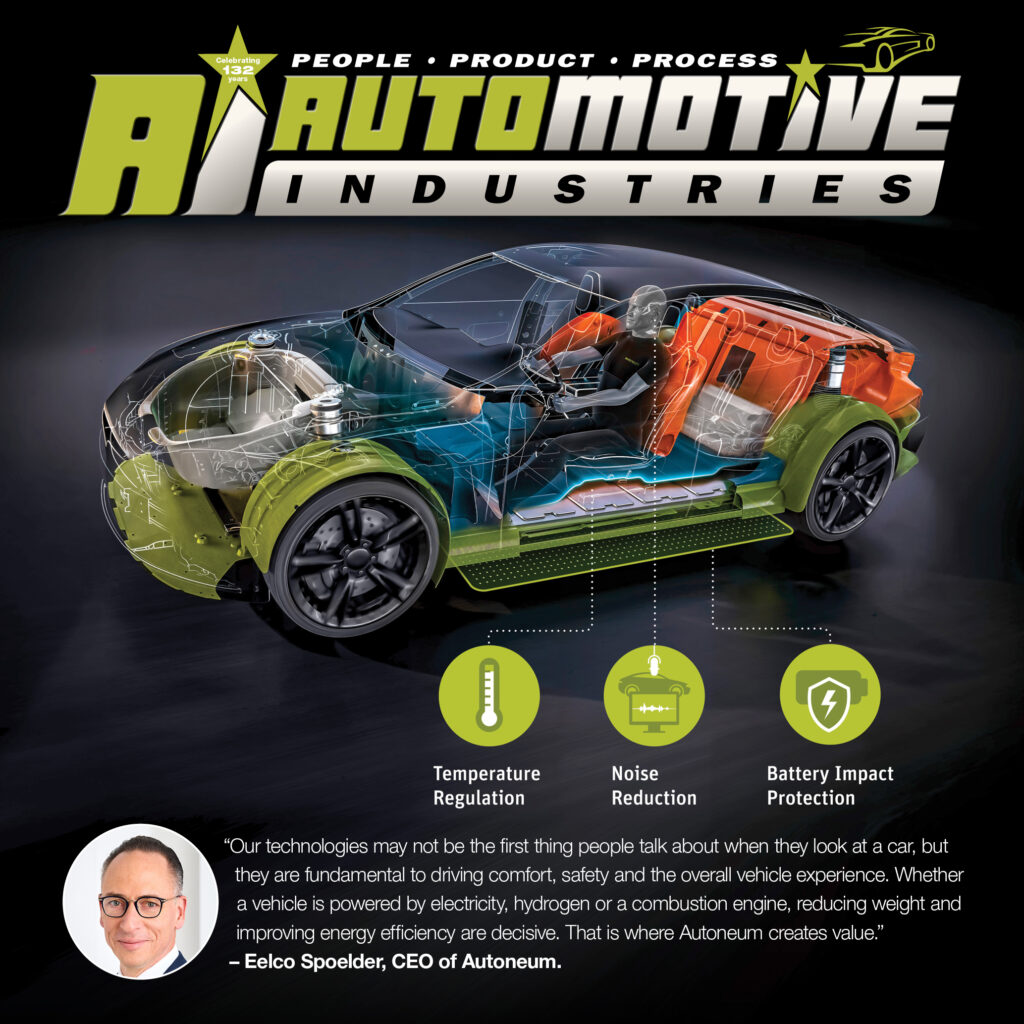
When innovation in vehicles is discussed, attention typically goes to powertrains, batteries or software.
Yet driving comfort, safety and perceived quality are shaped decisively by components that manage noise, heat and protection throughout the vehicle. This is where Autoneum plays a central role.

As the global market and technology leader in acoustic and thermal management for vehicles, Autoneum has spent the past 15 years helping automotive manufacturers make mobility quieter, more efficient and more comfortable.
Founded in 2011 as a spin-off from Rieter, the Switzerland-based company has grown into a true hidden champion of the automotive industry. Today, Autoneum supplies almost all major vehicle manufacturers worldwide and operates a global production and innovation network across Europe, Asia, North and South America.
Across all powertrain types, Autoneum focuses on mastering sound, heat, weight and protection to enable safe and efficient mobility with a high level of driving comfort.
“Our technologies may not be the first thing people talk about when they look at a car, but they are fundamental to driving comfort, safety and the overall vehicle experience,” says Eelco Spoelder, CEO of Autoneum.
“Whether a vehicle is powered by electricity, hydrogen or a combustion engine, reducing weight and improving energy efficiency are decisive. That is where Autoneum creates value.”
Driving Comfort as an Engineering Discipline
Driving comfort is no longer defined solely by seats or suspension. Noise levels, thermal balance, vibration behavior and the acoustic quality of the cabin have a direct impact on perceived vehicle quality – especially in electric vehicles, where powertrains are quieter and secondary noises become more noticeable.
Autoneum’s acoustic and thermal solutions help create calm, balanced vehicle interiors by controlling airborne and structure-borne noise, optimizing heat insulation and ensuring stable temperatures under real driving conditions. Efficient thermal management supports comfort while also reducing energy demand.
Many components combine multiple functions in one part, such as sound absorption, thermal insulation and mechanical performance. This multifunctional approach reduces system complexity, saves weight and enables OEMs to meet comfort targets without adding components or mass.
Safety Without Compromising Comfort
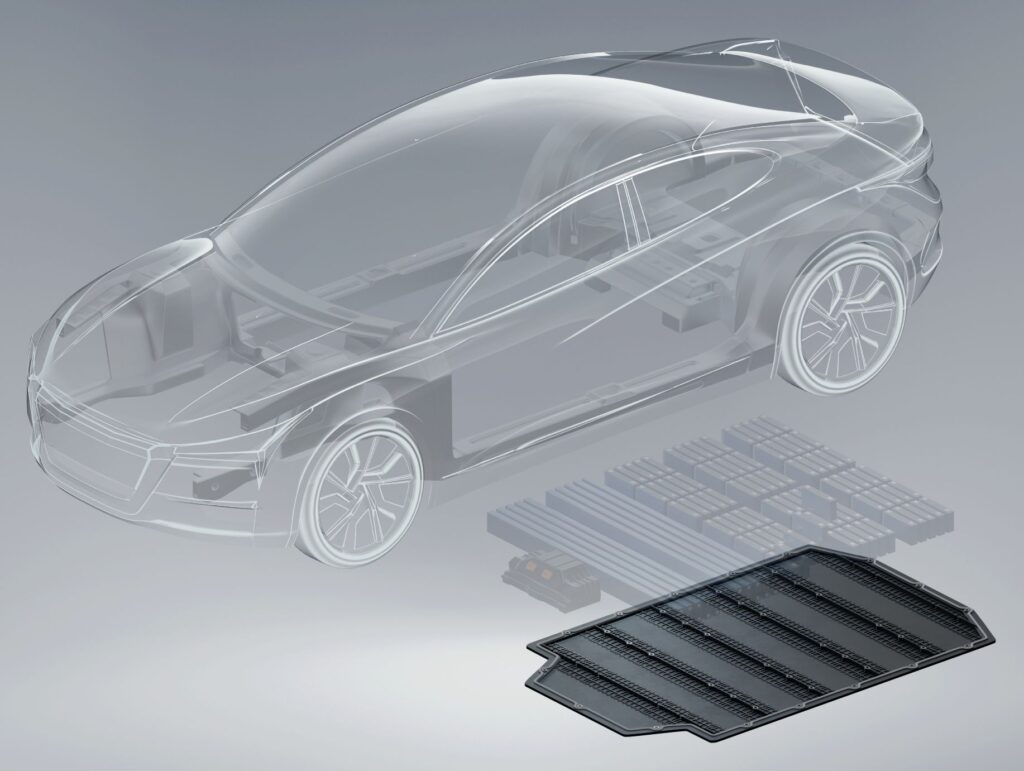
Electrified vehicle platforms have significantly increased the importance of underbody systems. High-voltage batteries must be protected against mechanical impact, heat and fire, while also contributing to acoustic comfort and aerodynamic performance.
Autoneum offers a comprehensive portfolio of battery and underbody protection solutions, including impact protection plates, underbody shields, flame-retardant flame shields and thermal barriers. These solutions are engineered to protect critical systems throughout the vehicle lifecycle under demanding conditions.
“Battery safety is non-negotiable,” Spoelder says. “Our role is to deliver solutions that combine protection, lightweight design and sustainability—without trade-offs.”
At the same time, well-designed underbody components help reduce road and tire noise transmitted into the cabin, supporting a quieter and more refined driving experience.
Interior and Front-End Solutions Enhancing Comfort
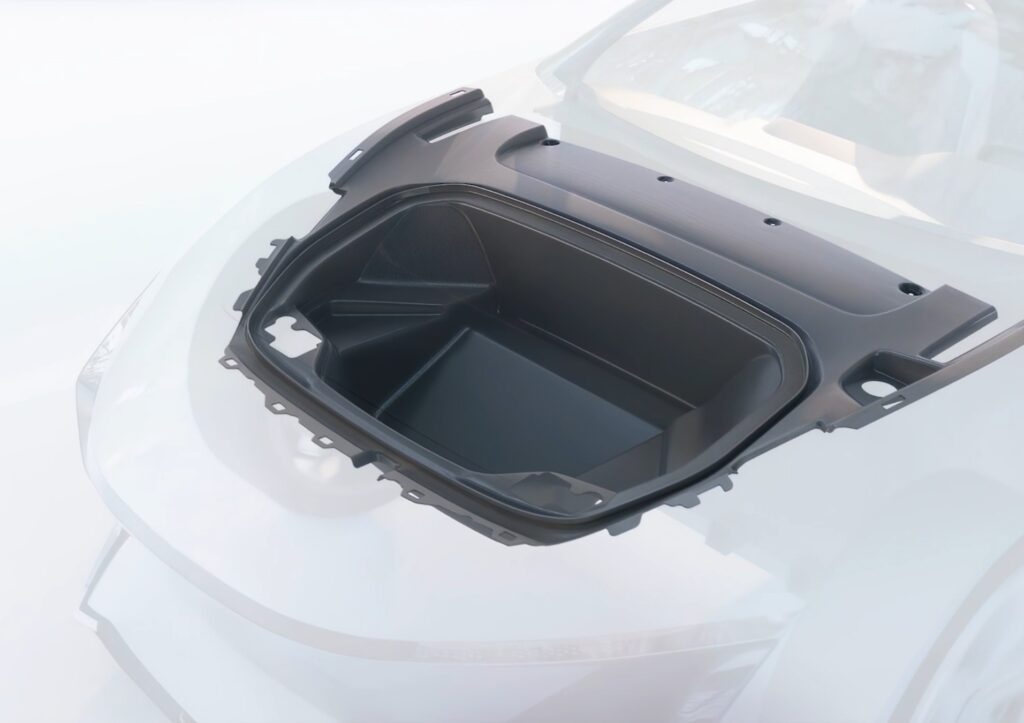
Autoneum’s contribution to driving comfort is equally visible inside the vehicle. Interior and engine-bay components are designed to manage heat, noise and airflow efficiently, ensuring a pleasant cabin environment across different driving conditions.
A good example is the textile-based frunk for electric vehicles. Compared with conventional solutions, textile frunks offer advantages in weight and packaging flexibility while contributing to acoustic insulation at the front of the vehicle – an increasingly important factor as cabin noise levels drop.
In engine-bay and front-end applications, Autoneum’s thermal and acoustic components protect surrounding systems from heat while minimizing noise intrusion into the passenger compartment.
Driving comfort is closely tied to materials behavior. Autoneum’s expertise in fiber-based materials, composites and textile technologies enables precise tuning of acoustic damping, thermal insulation and structural performance.
Recycled and recyclable materials play a growing role, always combined with demanding functional targets. Reducing material diversity and increasing functional integration help OEMs achieve comfort, durability and regulatory objectives simultaneously.
“Comfort, performance and sustainability are not opposing goals,” Spoelder says. “With the right materials and engineering, they reinforce each other.”
Innovation at Scale: A Global Network
To deliver engineered solutions at scale, Autoneum relies on a global innovation network. Research and Technology Centers in Switzerland, Germany and China form its backbone, supported by cross-functional teams spanning development, materials engineering and industrialization.
An agile approach with early customer involvement ensures that acoustic, thermal and protection concepts are validated early, reducing development risk and shortening time to market. “Innovation happens where markets move fastest,” Spoelder says.
“Our global footprint allows us to develop close to our customers and adapt solutions to regional requirements.”
Global Production Network Enabling Local-for-Local Supply
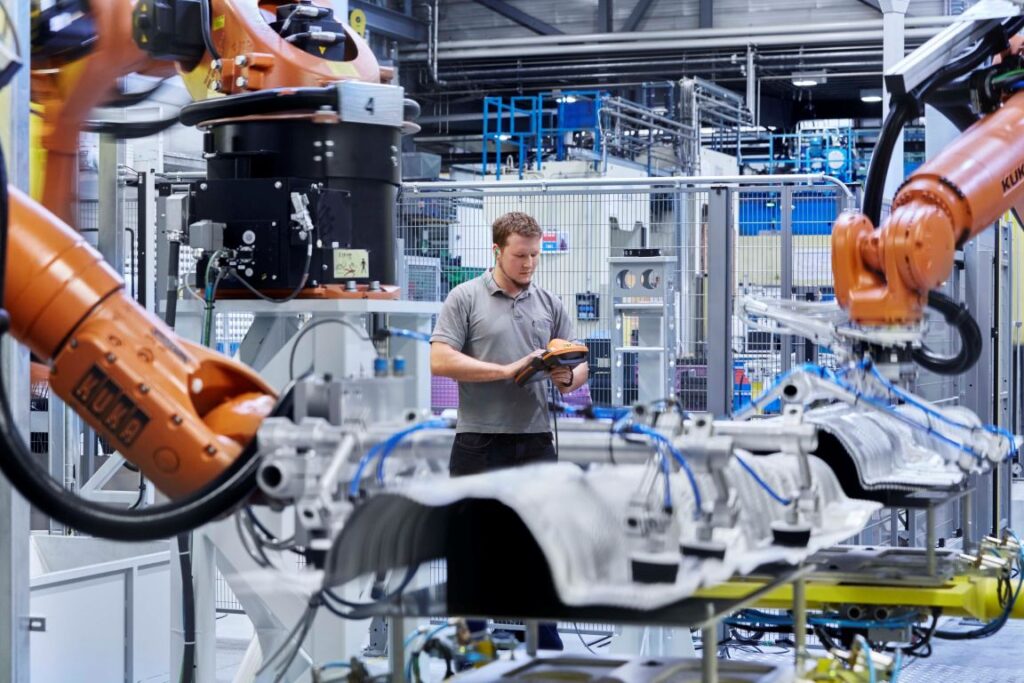
Innovation alone is not enough to succeed in today’s automotive industry. Equally important is the ability to industrialize solutions close to the customer. With more than 70 production facilities worldwide, Autoneum operates one of the most comprehensive global manufacturing networks in its field.
This local-for-local approach allows Autoneum to support OEMs and Tier partners with short supply chains, close technical coordination and rapid ramp-up, tailored to regional vehicle platforms and requirements. At the same time, the globally distributed footprint strengthens resilience against trade barriers, tariffs and geopolitical disruptions, ensuring continuity, reliability and competitiveness for customers.
Agile Development in Close Partnership with OEMs and Tiers
Shorter development cycles, parallel platforms and rapidly evolving requirements are now the norm in the automotive industry. For OEMs and Tier suppliers alike, this creates pressure to validate concepts earlier, adapt designs more frequently and industrialize solutions faster –without compromising quality, safety or cost targets.
Autoneum addresses these challenges through an agile development approach that emphasizes early collaboration, iterative development and close alignment across the value chain.
Rather than following strictly linear development processes, Autoneum works closely with OEMs and Tier partners from the early pre‑development and RFQ phases onwards. Cross‑functional teams from product development, materials engineering, industrialization and manufacturing collaborate in short development loops, enabling faster feedback, earlier validation and targeted adjustments as vehicle architectures evolve.
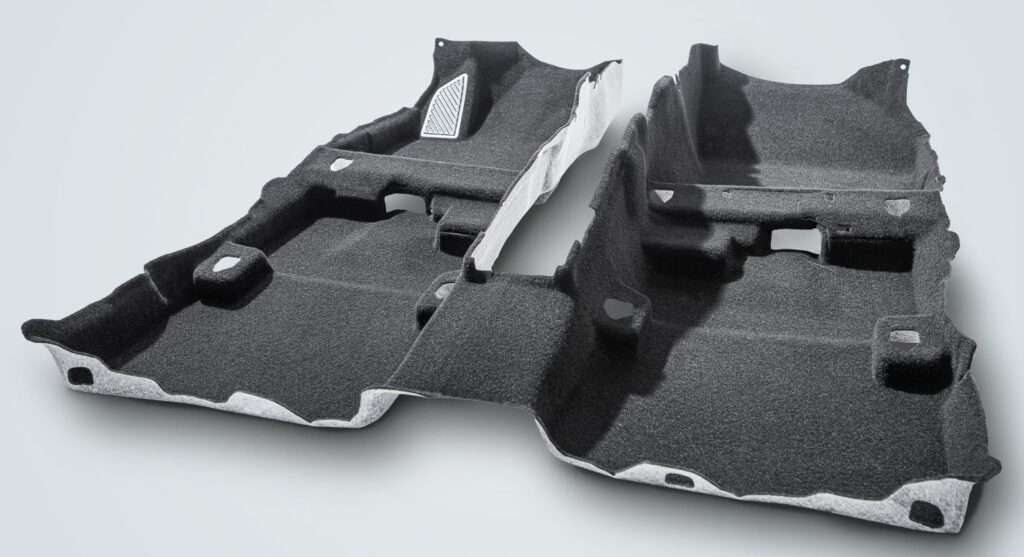
“Our agile approach allows us to respond quickly to changing requirements while maintaining the robustness expected in automotive development,” says Spoelder.
“By involving customers early and working in interdisciplinary teams, we can better balance performance, sustainability, cost and manufacturability.”
This way of working is supported by Autoneum’s global development and production network. Proximity to customers and manufacturing facilities allows concepts to be assessed not only from a technical perspective, but also in terms of scalability and industrial feasibility.
For OEMs and Tiers, this reduces development risk, shortens time to market and ensures that solutions can be implemented reliably across different vehicle platforms and regions.
Growing Focus on Trucks and Commercial Vehicles
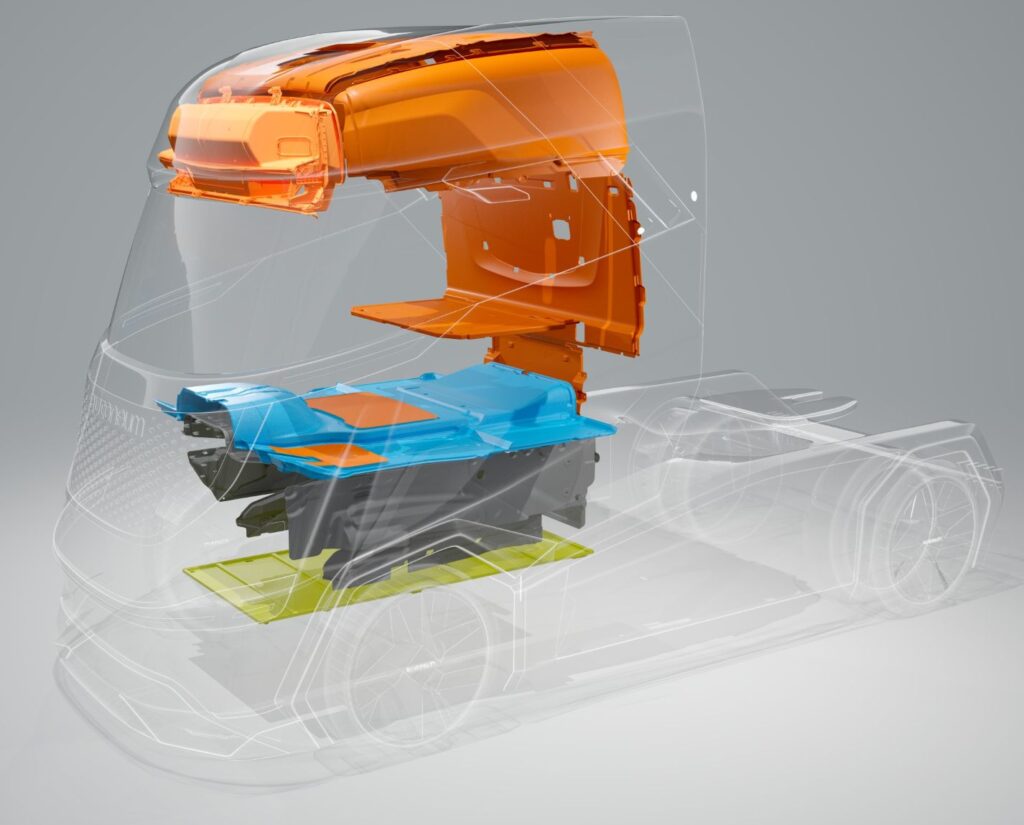
Driving comfort is also gaining importance in commercial vehicles. Trucks and buses must meet high standards for noise reduction, thermal insulation and durability to improve working conditions for drivers and reduce fatigue.
Autoneum transfers proven passenger-car technologies to this segment, developing robust acoustic and thermal solutions tailored to demanding operating environments. A particular focus lies on fully recyclable, polyester‑based components that replace traditional composite materials commonly used in trucks. These solutions improve acoustic and thermal insulation while supporting circular economy principles.
To accelerate growth in this segment, Autoneum has established a dedicated Commercial Vehicles business unit, underlining its ambition to transfer proven passenger‑car technologies into a market with significant sustainability potential.
A Hidden Champion with a Clear Mission
Over the past 15 years, Autoneum has evolved from a specialist supplier into a system‑relevant partner for the automotive industry. Its technologies support all major vehicle segments and powertrain concepts, providing continuity and expertise throughout a period of unprecedented change.
“The pace of change is accelerating,” Spoelder concludes. “But our direction is clear. We want to remain the global leader for innovative and sustainable acoustic and thermal management solutions—helping to make mobility more responsible for future generations.”
More Stories
Envalior on new thermoplastic formulations to meet HV heat challenges
How Road Conditions Can Contribute to Motorcycle Accidents in Washington
The Step-by-Step Panel Beating and Repair Handover Process with Certified Auto Body Specialists