
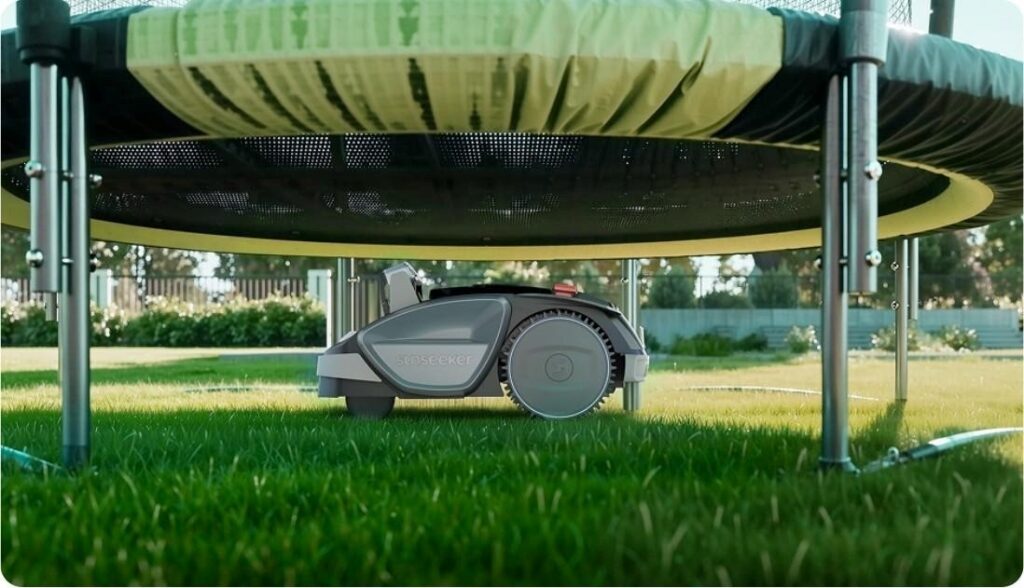
A GPS robot mower is appropriate for a given lawn size when its rated capacity comfortably surpasses the actual mowable grass area. Patios, roads, structures, flower beds, and pools do not require mowing, thus homeowners should not match the mower rating to the overall area of their yard. The optimal choice provides additional capacity for hills, obstacles, limited paths, and charging time. For most lawns, selecting a mower rated 20% to 30% higher than the estimated grass area results in improved daily performance. A correctly matched GPS robot mower mows the grass regularly, without racing through cycles or abandoning incomplete parts.
Understanding GPS Robot Mower Coverage Ratings
Manufacturer yard-size claims vs real-world performance
Manufacturer coverage ratings specify the maximum grass area that a GPS robot mower is intended to maintain under ideal conditions. These scores typically imply reasonable grass height, effective routeing, consistent signal reception, and little interruptions. Real yards frequently drop this figure since the mower has to slow down around borders, trees, hills, furniture, and narrow connections. Tall or damp grass can also make mowing more difficult and less efficient. A mower designed for a somewhat bigger area allows the system to manage these real-world challenges while still completing regular mowing on time.
Battery runtime, charging cycles, and effective daily coverage
The battery duration impacts how much grass the mower can cut before needing to be recharged, while daily coverage is determined by the whole work cycle. A GPS robot mower must leave the station, go to the designated zone, mow, return, recharge, and repeat as needed. Larger lawns need more cycles, particularly when the mower employs precise lane patterns rather than random movement. Charging speed, route distance, cutting height, grass density, and slope are all factors that determine practical output. The proper mower has adequate battery capacity and scheduling flexibility to complete the lawn within the designated mowing times.
Matching Lawn Size to GPS Mower Types
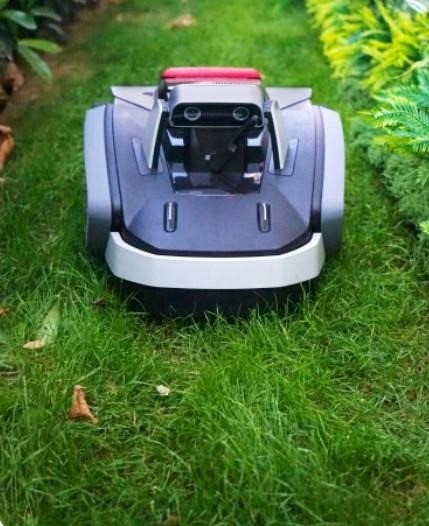
Small lawns and compact GPS mower suitability
Small lawns are usually the easiest match for compact GPS robot mowers. A yard with broad grass, easy boundaries, and short travel lengths does not necessitate the largest capacity model. Compact units are ideal for townhomes, tiny suburban yards, front lawns, and confined locations where the mower can complete coverage in fewer charging cycles. The trick is to continue precisely measuring the area of mowable grass. Even a small lawn might provide a difficulty for an undersized mower if it has steep slopes, numerous obstructions, or several zones connected by narrow routes.
Medium and large lawns with complex layouts explained
Medium and large lawns require higher coverage ratings since the mower must cover more ground, operate for longer periods of time, and design more routes. Open rectangular lawns are more manageable than the same square footage divided into side yards, tree clusters, curving beds, and tight passageways. For bigger properties, select a GPS robot mower with a capacity greater than the specified grass area, accurate location, and smart zone management. This allows the mower to maintain consistent grass height across the whole property without having to go between regions too frequently.
Factors That Change Effective Lawn Size Capacity
Slopes, obstacles, and narrow passages reducing coverage
Slopes lower the mower’s effective lawn size capacity since ascending requires more power and descending requires more careful speed management. Obstacles also hinder advancement. Trees, benches, playsets, raised beds, and garden accessories cause the mower to change direction, stop, or reroute. Narrow pathways incur additional delays since the mower must move carefully and avoid cutting too near to edges. These factors do not render GPS mowing ineffective; they just indicate that the yard requires more capacity than its flat-area measurement implies. Extra rating headroom ensures that coverage remains constant.
Multi-zone yards and how they impact mowing efficiency
Multi-zone yards reduce mowing efficiency because the mower spends some of its time going between different regions rather than cutting grass. A front yard, rear, side strip, and isolated patch may have the same total square footage as an open lawn, but they necessitate additional navigational options. Each zone may require a varied mowing frequency, entrance locations, and route choices. The greatest option is a GPS robot mower that can clearly save and manage zones in the app. Strong zone design allows the mower to cover various areas without wasting cycles.
Conclusion
The ideal lawn size for a GPS robot mower is the estimated mowable grass area plus enough additional capacity to handle real-world situations. Small, open lawns may employ compact models, but medium and large lawns require higher ratings, longer working cycles, and more effective zone management. Slopes, obstructions, small pathways, dense vegetation, and segregated zones all diminish realistic coverage when compared to the ideal manufacturer promises. A simple buying rule is to measure simply the grass and then select a mower rated comfortably higher than that number. This method provides cleaner coverage, more efficient scheduling, and more consistent long-term mowing performance.
More Stories
Envalior on new thermoplastic formulations to meet HV heat challenges
How Road Conditions Can Contribute to Motorcycle Accidents in Washington
The Step-by-Step Panel Beating and Repair Handover Process with Certified Auto Body Specialists