
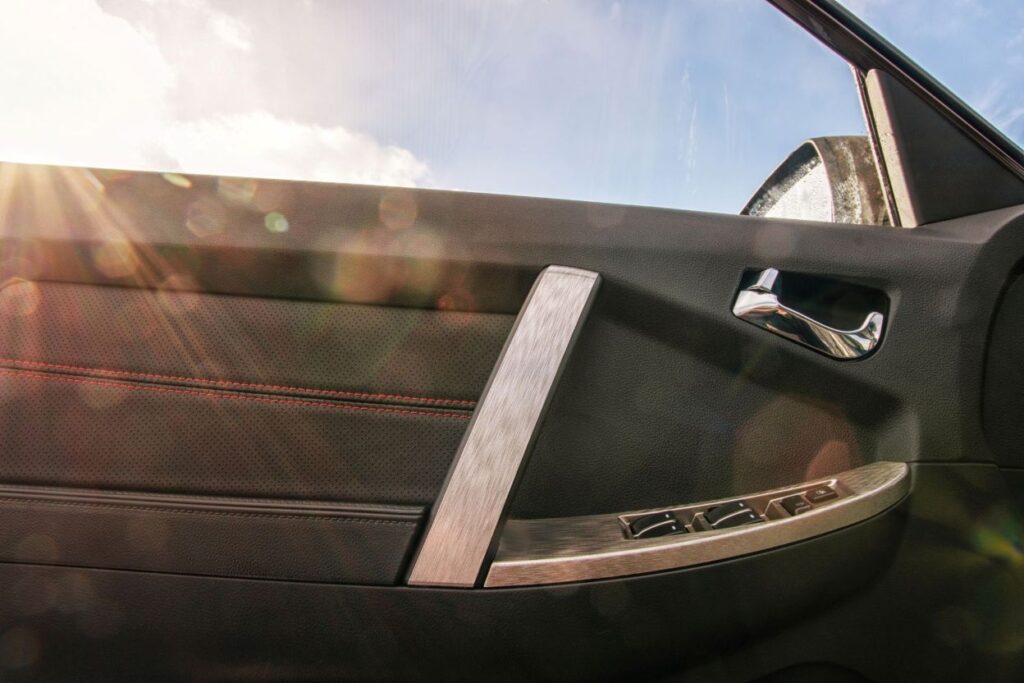
Light stabilisation extends the life of vehicle interiors and reduces carbon footprint.
Plastics are increasingly used in automotive trim and exteriors to reduce weight and improve fuel efficiency, especially for extending EV range.
The global automotive plastics market is expected to grow significantly, from US$33 billion in 2025 to $55 bn by 2033, according to Grand View Research.
There is greater use of plastics on the exterior of vehicles, where the material is exposed directly to ultraviolet light and other elements that have the potential to degrade the components.
“Plastics are ideal for exterior components in vehicles (bumpers, hoods, …) thanks to their high resistance to impact and corrosion. The materials are also used for battery housing for electric vehicles and help improve energy efficiency, which is key to scaling up e-mobility,” according to Plastics Europe.
Challenges include reducing the carbon footprint of plastics production and developing ways of recycling end of life materials.
The plastics industry has risen to the challenges by producing protective coatings, recycling systems and the development of bio-plastics.
Automotive Industries (AI) asked Heejung Kwon, Songwon Technical Service Manager – Europe and Americas, what the main sustainability trends are in automotive plastics.
Kwon: First is the regulation-related changes, such as the EU End-of-Life Vehicle (ELV) Directive which requires that 20% of the plastics in new vehicles must come from recycled sources by 2030, with 15% specifically from ELV.

Then there is the new circular economy philosophy, in which closed-loop recycling approaches and processes treat ELV plastics as valuable resources rather than waste.
Advanced recycling technologies for high-quality feedstock help overcome the challenges of traditional recycling.
In addition, bio-based polypropylene (Bio-PP) derived from renewable sources, such as sugarcane and cellulosic biomass, offers a sustainable alternative to conventional PP.
AI: What are the key challenges in achieving regulatory targets?
Kwon: The main problem is a limited supply of high-quality recycled automotive plastics, which is exacerbated by the current lack of a standardized collection and sorting system.
There is a need for strong supply chain collaboration, investment in recycling infrastructure, and continued policy support.
Mechanical recyclers in the EU and other regions are struggling because virgin resin is much cheaper than recycled resins.
OEMs would include more recycled materials if incentives for incorporating 20% recycled content were introduced now rather than waiting until 2030.
AI: To what extend is your strategic approach of light stabilization for automotive applications geared toward sustainability?
Kwon: Light stabilization could contribute to sustainability strategically on:
- Extended durability of components
- Enabling lightweighting and fuel efficiency by protecting light weight plastics from UV damage and compromising durability
- Supporting recycled material integration
- Reducing carbon footprint by contributing to longer-lasting components decreasing manufacturing emissions linked to replacements
- Alignment with regulatory trends, helping automakers comply with recycled-content materials meeting performance standards.
AI: What is SONGWON product range for automotive PP/TPO compounds?
Kwon: The SONGSORB® light stabilizers range helps automotive PP/TPO compounds, which consists of Hindered Amine Light Stabilizers (HALS), Hydroxybenzoates (HB) and UV Absorbers (UVA).
AI: How does the SONGSORB® range meet the light stabilization needs specific to automotive applications?
Kwon:
SONGWON meets specific requirements to automotive applications by providing a wide selection of SONGSORB® products. Those using just SONGSORB® HALS include SONGSORB® 7700, SONGSORB® 3853, SONGSORB® 9440, SONGSORB® 1190 and SONGSORB® 2020 light stabilizers.
Light stability is enhanced when SONGSORB® HALS are used together with SONGSORB® like SONGSORB® 1164 or SONGSORB® 3600 and/or SONGSORB® HB – SONGSORB® 2908 or SONGSORB® 7120 UV-absorbers.
AI: How are the specialised grades within the SONGSORB® portfolio tailored for virgin versus recycled materials?
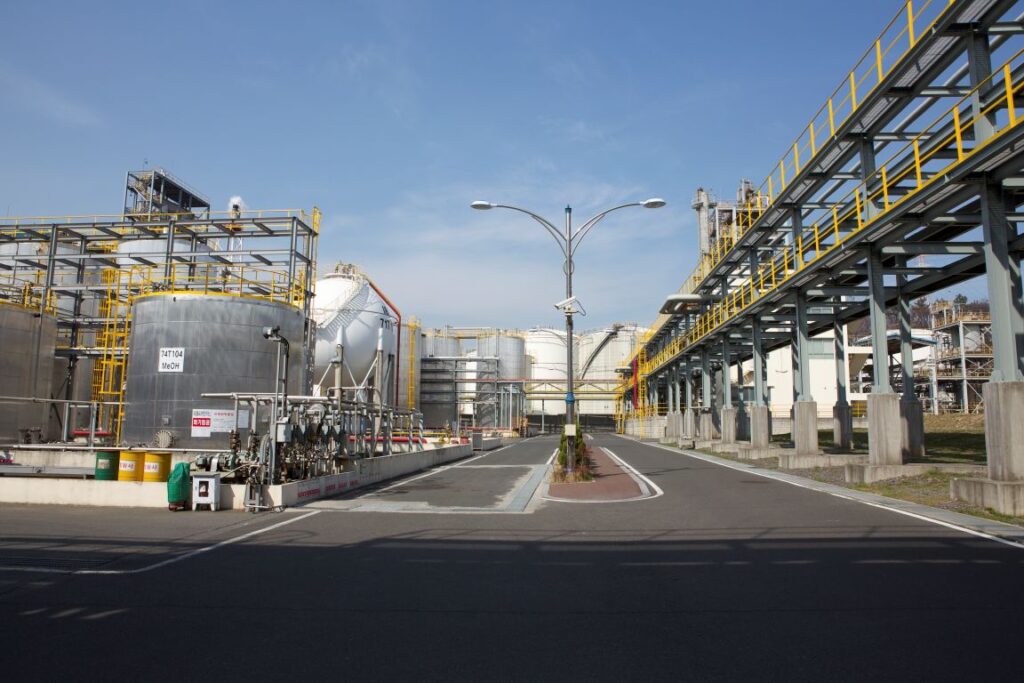
Kwon: The choice of SONGSORB® stabilizers depends on the requirements of final applications.
Theoretically, SONGSORB® HALS and SONGSORB® HB function as radical scavengers which react with radicals generated by polymer degradation under the exposure of UV light. This reduces the speed of polymer degradation.
SONGSORB® UVAs shield polymers and coatings from UV damage by absorbing harmful rays and converting them to heat via reversible proton transfer.
SONGSORB® HALS alone could extend the durability and appearance of automotive polyolefins. However, when it is combined with SONGSORB® UVA and/or SONGSORB® HB, it enhances even further.
AI: What challenges associated with recycled polyolefins, such as variable composition and increased UV sensitivity, are addressed by SONGSORB® products?
Kwon: Mechanically recycled PP retains some of the properties of the materials through various levels of residual stabilizers, which leads to inconsistency of composition and performance. Re-stabilization with SONGSORB® light stabilizers helps to prolong the second life of mechanically recycled PP.
AI: How does optimising substrate protection with SONGSORB® contribute to meeting automotive industry standards and improving the sustainability of plastic car components?
Kwon: The extended durability of automotive parts with SONGSORB® light stabilizers enables lightweighting and fuel efficiency, which can contribute to reducing the overall carbon footprint of the vehicle. In addition, product safety is an aspect related to sustainability.
The SONGSORB® light stabilizer product range could support the use of products to address the impact of regulation changes by providing possible alternative products of concerned materials under regulatory pressure to the industry.
AI: In what ways does the use of SONGSORB® support the automotive sector’s efforts to increase recycled content and promote sustainable practices?
Kwon: The use of SONGSORB® light stabilizers helps to overcome the performance challenges of recycled plastics for their second life, and meet automotive industry standards.
More Stories
Envalior on new thermoplastic formulations to meet HV heat challenges
How Road Conditions Can Contribute to Motorcycle Accidents in Washington
The Step-by-Step Panel Beating and Repair Handover Process with Certified Auto Body Specialists