
















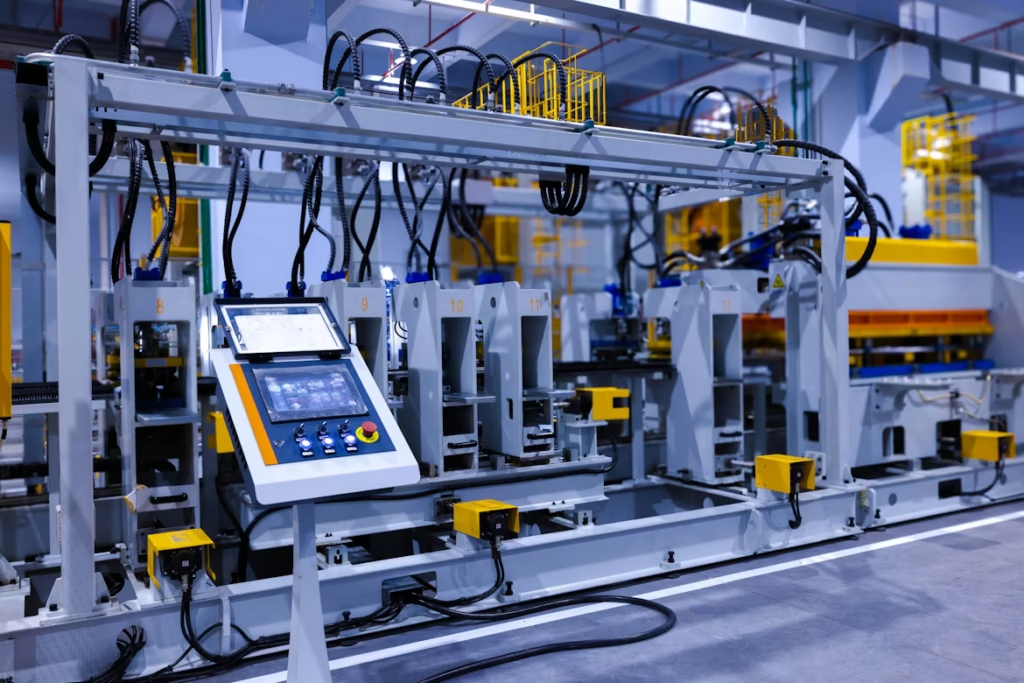
As automation, artificial intelligence (AI), and robotics continue to reshape industries, workplace safety remains a top priority. With advancements in technology, new risks are emerging, which require businesses to rethink how they approach safety protocols. One critical area that remains central to ensuring a safe and compliant workplace is OSHA hazard communication training. This training provides employees with the knowledge they need to safely handle hazardous materials and substances, making it even more crucial in environments where automation and AI-driven systems are present.
The evolving landscape of workplace safety
Technological innovations have undoubtedly increased operational efficiency across many industries, but they’ve also introduced new challenges. Automation, AI, and robotics are transforming workplaces at a rapid pace, but with these changes come potential risks, particularly when it comes to handling hazardous materials and machinery.
For instance, the rise of automated systems like robotic arms and conveyor belts can pose new physical risks to workers, particularly when these systems are unanticipated or improperly managed. Similarly, AI-driven solutions that are integrated with hazardous chemical processes or heavy machinery must be paired with appropriate safety protocols to mitigate any unforeseen accidents. In these complex and fast-changing environments, ensuring that workers are trained to identify hazards and follow proper safety procedures is paramount.
The importance of OSHA hazard communication training
Proper hazard communication training is more important than ever in workplaces with automation and robotics. The OSHA hazard communication training helps workers understand how to safely handle hazardous chemicals, materials, and equipment. It ensures that everyone, whether directly involved with automated machinery or working around it, understands the risks associated with these substances and how to manage them safely.
The course typically covers key topics such as labeling requirements for chemicals, understanding Safety Data Sheets (SDS), and the use of appropriate personal protective equipment (PPE). Employees trained in these areas are better equipped to recognize potential dangers, which minimizes accidents and ensures a safer working environment. For businesses using automated systems, this training becomes an even more integral part of maintaining operational efficiency and safety.
How automation impacts safety protocols
Managing new risks with AI and automation
While automation and AI systems are designed to enhance productivity and reduce human error, they can also introduce risks that were previously not encountered in manual operations. Robots and automated systems, if not maintained or programmed properly, may malfunction or operate unpredictably, creating hazards such as physical injuries, chemical spills, or fires.
Proper OSHA hazard communication training prepares workers to recognize the potential risks associated with these automated systems. By understanding the materials they are working with, workers are better equipped to prevent accidents before they occur. This training also helps employees take action if something goes wrong, such as containing a spill or safely shutting down a malfunctioning machine.
Training employees for compliance and safety
Automation doesn’t mean the elimination of human involvement, but rather a shift in roles. Employees must be trained to interact with, monitor, and maintain these systems while still ensuring their safety. OSHA hazard communication training helps employees in automated environments by ensuring that they know how to handle hazardous materials, even when AI systems are doing the heavy lifting. By educating employees about the potential dangers and proper handling techniques, businesses can reduce incidents and avoid downtime caused by accidents.
Having employees who are well-versed in hazard communication ensures not only compliance with safety standards but also that your workforce is prepared to deal with evolving risks. This training can be integrated into the onboarding process or refresher programs to ensure that all workers, new or experienced, are up-to-date on safety protocols.
The link between hazard communication training and business continuity
Business continuity is vital for any organization, and accidents can cause significant disruptions. Whether it’s a simple chemical spill or a major safety violation, any workplace incident can lead to costly downtime, regulatory fines, and damage to reputation. This is where hazard communication training can directly impact business continuity.
By reducing workplace accidents, OSHA hazard communication training helps companies avoid costly work stoppages and ensure that operations continue without interruption. Furthermore, a trained workforce is more productive. When employees know how to handle hazardous materials safely, they are less likely to be injured or exposed to dangerous substances, which translates into lower absenteeism and reduced medical claims.
Training also reduces the risk of legal or financial repercussions. OSHA fines for non-compliance can be substantial, and businesses that fail to provide adequate safety training may face legal action. By investing in comprehensive training programs, companies mitigate these risks and demonstrate a commitment to safety and regulatory compliance, which builds trust with clients, stakeholders, and regulators.
Selecting a trusted OSHA certification provider
When choosing an OSHA hazard communication training provider, it’s important to look for a program that offers clear, up-to-date, and OSHA-compliant content. The program should provide the flexibility to train employees at their convenience, whether it’s through online modules, instructor-led courses, or a blend of both.
FMTC offers a variety of training options tailored to meet OSHA standards and ensure the safety of employees in industries impacted by automation. Their programs are designed to equip employees with the knowledge they need to handle hazardous materials safely, ensuring businesses stay compliant with regulations and avoid costly fines or disruptions. With flexible online courses, FMTC ensures that companies can train employees across multiple locations and shifts while maintaining consistency in safety protocols.
Conclusion
As technology evolves and AI continues to transform industries, ensuring the safety of employees becomes more complex. However, OSHA hazard communication training remains a fundamental part of ensuring workplace safety in an era of increased automation and robotics. By equipping employees with the skills to identify and manage hazardous materials, businesses can reduce risks, minimize downtime, and maintain regulatory compliance.
Companies looking to stay ahead in safety standards should consider partnering with trusted training providers like FMTC. With their comprehensive, flexible OSHA training courses, businesses can ensure their workforce is prepared to handle the evolving challenges posed by AI and automation, while protecting both their employees and their bottom line.

More Stories
Innoviz innovation in embedded perception
Formic Opens 53,000-Square-Foot Chicagoland Headquarters to Meet Growing Demand for Its AI-Powered Robotic Automation
Advance Auto Parts and OneRail Announce Expanded Partnership