
For 250 years, the story of the United States has been inseparable from the story of how its people move. From colonial wagon trails to digital navigation systems, American mobility reflects the nation’s economic ambition, technological creativity, and social change. Each era of transportation has reshaped how Americans live, work, and connect.
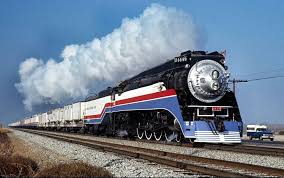
In the late 18th and early 19th centuries, mobility was defined by muscle and nature. Horses, riverboats, and simple dirt roads linked farms to towns and ports. Early canals, such as the Erie Canal in the 1820s, transformed trade by connecting inland communities to global markets. Soon after, railroads revolutionized travel and commerce, shrinking distances and fueling westward expansion. By the late 1800s, rail networks had stitched together a continental economy.
The late 19th and early 20th centuries marked the beginning of personal motorized travel. Early automobiles appeared in the 1890s, and by the 1910s, mass production made cars accessible to millions. Henry Ford’s assembly line symbolized this transformation, turning mobility into a consumer product. Roads were paved, gas stations spread, and suburbs began to grow around new transportation freedoms.
Mid-century America became the age of highways and aviation. The Interstate Highway System, launched in the 1950s, created a national web of fast roads that supported commerce, tourism, and suburban life. At the same time, commercial aviation made coast-to-coast travel routine. Airports became gateways to business and culture, helping turn the United States into a globally connected nation.
By the late 20th century, mobility entered the digital era. GPS navigation, computerized traffic systems, and online ticketing changed how people planned and experienced travel. Public transit systems modernized, while logistics networks became faster and more precise. Yet this period also highlighted challenges, including congestion, pollution, and unequal access to transportation.
The 21st century is redefining mobility once again. Electric vehicles, charging networks, shared mobility platforms, and early autonomous technologies point toward a cleaner, more connected future. Cities are rethinking walkability, cycling infrastructure, and transit-oriented development. Transportation is no longer just about speed, but also sustainability, safety, and inclusion.
Looking back across 250 years, American mobility tells a story of constant adaptation. Each generation has built upon the routes, systems, and technologies of the past while responding to new economic, environmental, and social realities. From wagon ruts to smart highways, movement has remained a foundation of opportunity and national growth.
As the nation marks its semiquincentennial, this timeline reminds us that transportation is more than infrastructure. It is a living system that reflects shared values, connects communities, and shapes the future. The next chapter of American mobility will be written by how wisely today’s choices balance innovation, access, and responsibility.



More Stories
Ford and Geely Join Forces as Global Automotive Collaboration Enters a New Phase
Olaf Mußhoff on Innovation, AI, Sustainability and Why Automechanika Frankfurt 2026 Will Shape Automotive Aftermarket Success Worldwide
What Affects the Price of a Used Truck: Understanding Used Truck Prices