
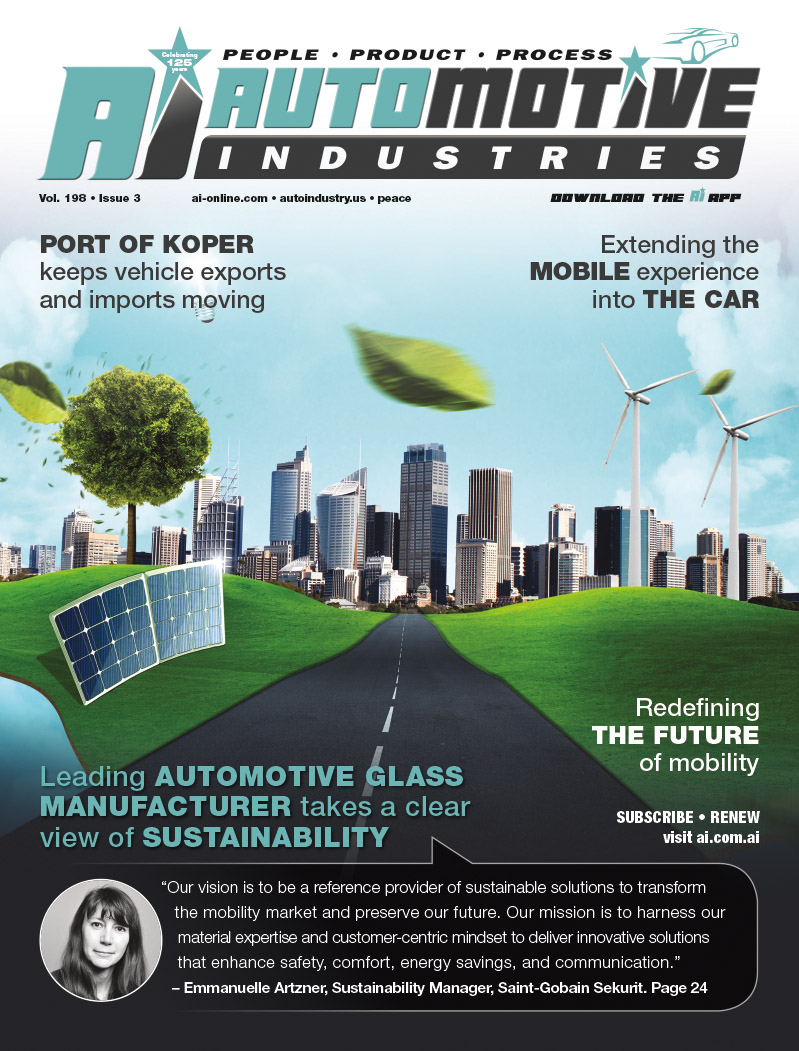
The future of American transportation is being shaped by rapid technological innovation, environmental concerns, and changing social needs. As cities grow and climate challenges intensify, the United States is rethinking how people and goods move. In the coming decades, transportation will become cleaner, smarter, more connected, and more accessible than ever before.
One of the most important changes is the transition to electric vehicles (EVs). As battery technology improves and charging infrastructure expands, EVs are becoming more affordable and practical for everyday use. Major automakers are investing heavily in electric cars, trucks, and buses, reducing dependence on fossil fuels and lowering greenhouse gas emissions. Government incentives and stricter environmental regulations are also accelerating this shift. In the future, many highways and neighborhoods may feature fast-charging stations as commonly as gas stations are today.
Autonomous or self-driving vehicles will also play a major role. Advances in artificial intelligence, sensors, and data processing are making it possible for cars to navigate roads with minimal human input. While fully autonomous systems are still being tested, they have the potential to improve road safety, reduce traffic accidents, and increase mobility for elderly and disabled individuals. When combined with shared mobility services, self-driving cars could reduce the need for private car ownership in urban areas.
Public transportation is expected to become more efficient and technology-driven. Smart transit systems using real-time data will help optimize routes, reduce waiting times, and improve reliability. High-speed rail, particularly in densely populated regions, may offer a faster and more environmentally friendly alternative to air travel. In addition, modern buses and trains powered by electricity or hydrogen will contribute to cleaner urban environments.
Urban planning and micro-mobility are also shaping the future. Cities are increasingly investing in bike lanes, pedestrian zones, and shared electric scooters and bikes. These options promote healthier lifestyles and reduce traffic congestion. “Complete streets” designs, which prioritize pedestrians, cyclists, and public transport users alongside cars, are becoming more common.
Digital connectivity will further transform transportation. Vehicles and infrastructure will communicate through connected networks, allowing traffic lights, navigation systems, and road sensors to coordinate traffic flow. This “smart mobility” ecosystem will help reduce delays, save fuel, and improve emergency response times.
Finally, equity and accessibility are gaining importance. Policymakers are working to ensure that modern transportation benefits all communities, including rural areas and underserved neighborhoods. Affordable, reliable mobility is increasingly seen as essential for economic opportunity and social inclusion.
In conclusion, the future of American transportation will be defined by sustainability, automation, connectivity, and inclusivity. By embracing innovation while addressing environmental and social challenges, the United States has the opportunity to build a transportation system that is safer, cleaner, and more efficient for generations to come.
450 words on Sustainable Mobility and America’s Global Leadership
Sustainable Mobility and America’s Global Leadership
Sustainable mobility is becoming a defining issue in the 21st century, and the United States has the opportunity to assert global leadership in this transformative field. As climate change, urban congestion, and energy security challenges intensify, how Americans move—whether by car, bus, train, or plane—is not only a domestic concern but also a matter of international influence. The nation that innovates effectively in sustainable transportation can shape global markets, policies, and environmental outcomes.
Electric vehicles (EVs) are at the forefront of sustainable mobility. American automakers and technology companies are rapidly developing next-generation EVs, from affordable passenger cars to commercial trucks. Tesla pioneered the electric revolution, but legacy automakers such as Ford, GM, and Rivian are now producing EVs at scale, supported by federal incentives and infrastructure investments like the national EV charging network. By driving domestic production, technological innovation, and standard-setting in batteries and charging solutions, the U.S. is positioning itself as a global hub for green mobility solutions. This leadership extends beyond cars; it includes buses, trains, and even electric aviation.
Autonomous and connected vehicles complement sustainability goals by improving traffic efficiency, reducing fuel consumption, and enabling shared mobility. AI-driven traffic management systems and vehicle-to-infrastructure communication allow fleets of cars, trucks, and public transit vehicles to operate with precision, cutting emissions and congestion. These innovations not only enhance urban life but also showcase American technological prowess to the world, influencing international adoption and standards.
Public transportation modernization is another pillar of sustainable mobility. High-speed rail projects, electrified commuter trains, and zero-emission buses are gaining momentum, reflecting a national commitment to reducing greenhouse gas emissions while improving accessibility. Cities like Los Angeles, New York, and San Francisco are investing in transit-oriented development that encourages walking, cycling, and mass transit over private car use. By exporting expertise in planning, smart transit systems, and green infrastructure, the U.S. can guide global best practices.
Moreover, sustainable mobility has a diplomatic and economic dimension. American innovation in green technologies positions the country as a partner for nations seeking to decarbonize transport. Collaboration on battery recycling, hydrogen fuel solutions, and EV manufacturing strengthens trade ties while advancing environmental goals. Leadership in setting emissions standards and mobility regulations can shape global markets, giving American companies a competitive advantage.
Equity and inclusion are integral to this leadership. Sustainable mobility is not only about reducing emissions; it is also about ensuring access for all communities. Policies that make clean transportation affordable and widely available enhance social cohesion while demonstrating responsible governance on the international stage.
In conclusion, sustainable mobility offers the United States a chance to lead globally by combining technological innovation, policy foresight, and ethical stewardship. Through investments in electric and autonomous vehicles, public transit, and smart infrastructure, the U.S. can reduce environmental impact, improve quality of life, and set standards that shape the future of mobility worldwide. By championing sustainability, America can secure both economic and moral leadership in the global transportation landscape.



More Stories
Multi-constellation GNSS positioning, navigation, and tracking Click from MIKROE includes free six-month license of Skylark Precise Positioning Service
Ford and Geely Join Forces as Global Automotive Collaboration Enters a New Phase
Olaf Mußhoff on Innovation, AI, Sustainability and Why Automechanika Frankfurt 2026 Will Shape Automotive Aftermarket Success Worldwide