
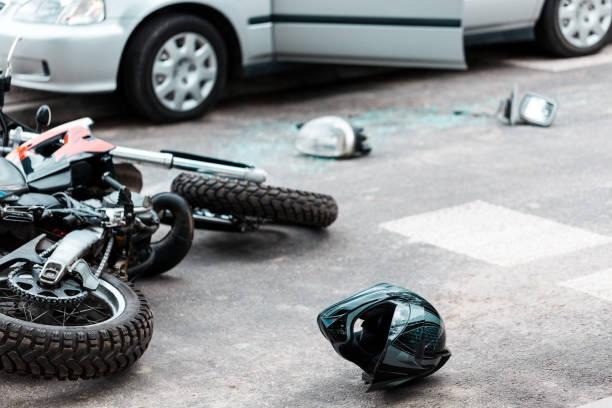
Poor road conditions can contribute to motorcycle accidents in Washington by causing riders to lose traction, hit unexpected hazards, or struggle to control their bikes. Potholes, wet pavement, gravel, debris, uneven surfaces, and unsafe construction areas can all increase crash risks.
Renton is served by major roads such as I-405 and State Route 167, where heavy traffic and ongoing roadway work can create added hazards for motorcyclists. Changing lanes, temporary surfaces, and construction zones can make these risks harder to spot or avoid. After a crash, a Renton motorcycle accident lawyer can help determine whether a dangerous road condition played a role.
For motorcyclists, even a small road defect can have serious consequences because motorcycles are less stable than passenger vehicles. Washington transportation guidance recognizes hazards such as loose gravel, grooved pavement, and abrupt lane edges as particular concerns for riders.
Common road hazards for motorcyclists in Washington
Road problems can affect a motorcycle faster than they affect a car. A driver may barely notice a pothole, but a rider can lose balance, traction, or steering control after hitting the same defect.
Potholes, cracks, and uneven pavement
Potholes can jar the handlebars and shift a motorcycle off line. Long cracks, broken pavement, and raised pavement edges create similar problems, especially when you encounter them while turning or braking.
Water makes these defects harder to judge. It can hide the depth of a pothole and reduce tire grip at the same time. Washington also gets frequent rain, so riders may face both poor visibility and slick pavement during the same trip.
Loose gravel and road debris create another risk. Gravel left after road repairs, fallen branches, vehicle parts, or other debris can cause a motorcycle tire to slide. A rider may then have only seconds to correct the bike without entering another lane.
Construction zones deserve extra caution
Construction areas can change from one day to the next. Lanes may narrow, pavement may become uneven, and temporary markings can shift traffic into unfamiliar paths.
Washington law recognizes the added danger these conditions can create. Under RCW 47.36.200, when highway work creates conditions such as “grooved pavement, abrupt lane edges, steel plates, or gravel or earth surfaces,” the work zone must display warning signs. The law also requires a warning for motorcyclists when those hazards exist on paved public roads.
You should also watch for workers, flaggers, and maintenance vehicles. RCW 46.61.215 requires drivers to yield to authorized workers and flaggers in marked construction or maintenance areas.
Who may be responsible for a dangerous road?
Responsibility depends on who controls and maintains the road. Washington law divides some duties between the state and local governments.
For certain city streets that form part of the state highway system, RCW 47.24.020 says the city or town has responsibility for the street beyond the curbs, while the state retains control over limited-access highways. The statute also assigns duties involving street cleaning, drainage inlets, traffic devices, and maintenance.
That distinction can matter after a crash. A dangerous condition does not automatically prove legal fault. You generally need evidence showing what caused the hazard, who had a duty to address it, and whether that duty was breached.
Why road conditions matter in crash cases
Washington recorded 810 traffic deaths and 3,413 serious injuries on public roads in 2023, up from 743 deaths and 3,102 serious injuries in 2022, according to WSDOT.
Road conditions are only one possible factor in a motorcycle crash, but they can change the outcome quickly. Photos of the road, repair notices, weather records, witness accounts, and maintenance records may help show what the rider encountered and whether a roadway problem contributed to the collision.
Key Takeaways
- A pothole, patch of gravel, or stretch of wet pavement can make it much harder to keep a motorcycle under control.
- Road hazards such as cracks, debris, standing water, and uneven pavement can be especially dangerous when you are turning or braking.
- Construction zones can add new problems, including shifted lanes, rough surfaces, and changes that may catch riders off guard.
- Under RCW 47.36.200, Washington requires warning signs for certain road conditions that can pose a particular risk to motorcyclists.
- Figuring out who may be responsible depends on who owns or maintains the road and what duty applies to that roadway.
- Simply showing that a road was in poor shape is not enough. You also need to connect that condition to the crash and show that someone failed to meet their responsibility.
- Photos, witness statements, weather reports, and road maintenance records can help piece together what happened.
More Stories
Envalior on new thermoplastic formulations to meet HV heat challenges
The Step-by-Step Panel Beating and Repair Handover Process with Certified Auto Body Specialists
Next-Generation E/E Architectures and Sensor Fusion Protocols – Automotive Industries Analyzing the Mobility Landscape at CES 2027