
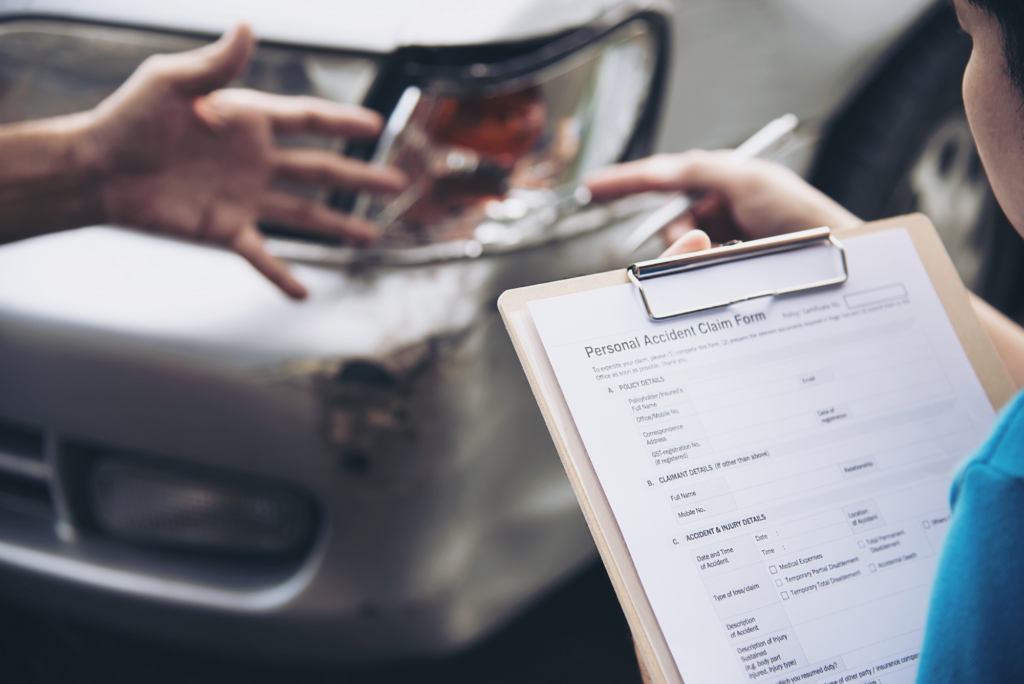
Strong evidence can make a big difference in a car accident claim. Photos, videos, police reports, medical records, witness statements, insurance information, and proof of financial losses can help show what happened and how the accident affected you. Collecting this information as soon as possible can make it easier to support your claim.
Marietta, Georgia, is located in Cobb County, northwest of Atlanta. The city has busy streets, residential areas, shopping districts, and major roads that carry local and commuter traffic. With so many people traveling through the area each day, car accidents can happen for many reasons. If you are involved in a crash, speak with a car accident lawyer in Marietta, GA, to help you understand what evidence may be useful for your situation.
Photos and Videos From the Accident Scene
Photos can provide valuable information about the accident. If it is safe to do so, take pictures of the vehicles, road conditions, traffic signs, nearby intersections, and visible injuries.
Photos can also show vehicle damage from different angles. If someone recorded the accident or nearby traffic conditions, that video may also provide useful information about what happened.
Police Reports
A police report can be an important piece of evidence after a car accident. It may include information about the drivers, vehicles, location, date, and circumstances of the crash.
The report may also contain statements from the drivers and witnesses. Keep a copy of the report with your other accident documents.
Medical Records and Bills
Medical records can connect your injuries to the accident. They may show when you received treatment, what injuries were diagnosed, and what care was recommended.
Keep copies of medical bills, prescriptions, therapy records, and other treatment-related documents. These records can also help show the financial cost of your injuries.
Witness Statements
People who saw the accident may be able to provide helpful information about what happened. Witnesses may have noticed the other driver’s actions, traffic conditions, or other details that you did not see yourself.
If possible, collect the names and contact information of witnesses at the scene. Their statements may become useful later if the facts of the accident are disputed.
Dashcam or Security Camera Footage
Video evidence can sometimes provide a clear picture of how a crash occurred. Dashcams, traffic cameras, business security cameras, or nearby residential cameras may have recorded the accident.
Because some security footage is deleted or overwritten after a certain period, it can be important to identify possible video sources quickly.
Proof of Lost Income
If your injuries caused you to miss work, keep records showing your lost income. Pay stubs, employer records, work schedules, and other documents may help demonstrate how the accident affected your finances.
If the injury affects your ability to work in the future, additional documentation may be needed to explain the potential impact.
Insurance and Accident Information
Keep the other driver’s insurance information, contact details, vehicle information, and your own insurance documents. Also save copies of emails, letters, claim forms, and other communications with insurance companies.
Avoid guessing about details when speaking with an insurer. If you are unsure about what to say or how to respond to a settlement offer, consider getting legal advice first.
A Personal Record of the Accident
Write down what you remember about the accident while the details are still fresh. Include the time, location, weather, road conditions, what happened before the crash, and how you felt afterward.
Continue keeping notes about your symptoms, medical appointments, and how your injuries affect your daily activities. These personal records can help document the changes you experience after the accident.
Takeaways
-
Take photos and videos of the accident scene when it is safe.
-
Keep copies of police reports and medical records.
-
Collect contact information from witnesses.
-
Look for possible dashcam or security camera footage.
-
Save documents showing medical costs and lost income.
-
Keep all insurance communications and accident information.
-
Write down important details while they are still fresh.
-
Organizing evidence early can help support your car accident claim.
More Stories
TASKING Joins SDVerse to Advance Safety-Critical Embedded Software Development for Software-Defined Vehicles
Rhino USA Celebrates 10 Years: From a Family Garage to a Nine-Figure Brand
SPE® ACCE 2026 Highlights Advancing Mobility with Composites