
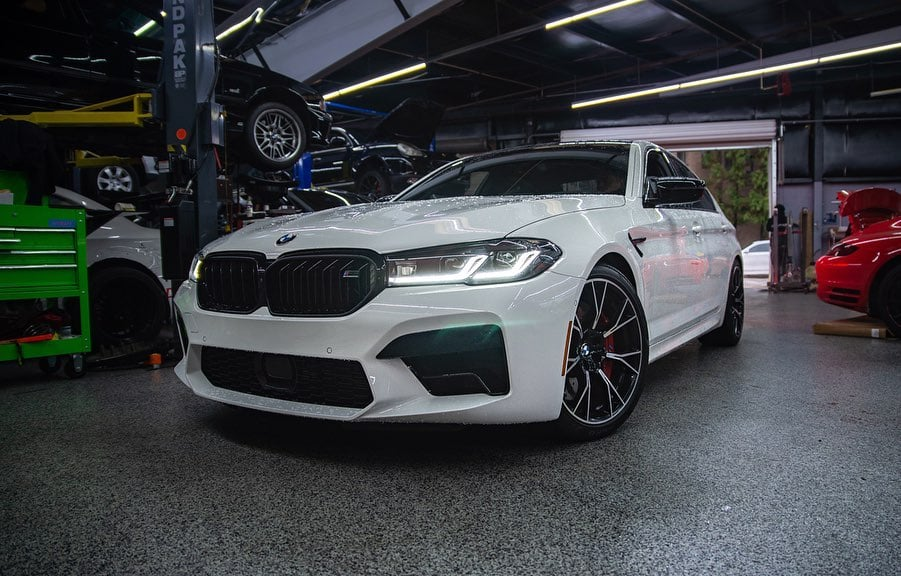
Choosing the right technician for a BMW repair is important because BMW vehicles use specialized engineering, electronic systems, and components that require more than basic automotive knowledge. The right technician should understand BMW-specific systems, use appropriate diagnostic equipment, and have experience working with the brand. Taking time to evaluate a repair shop can help you avoid unnecessary repairs, poor workmanship, and repeat visits.
Milton and Alpharetta, Georgia, are communities known for their growing residential areas, active business districts, and extensive network of local roads. BMW owners in these areas may rely heavily on their vehicles for daily commuting, family activities, and longer drives throughout North Atlanta. When looking for BMW repair in Milton, Alpharetta, choosing a technician with genuine BMW experience can make a significant difference in the quality and reliability of the repair.
Look for BMW-Specific Experience
The first thing to consider is whether the technician regularly works on BMW vehicles.
BMW models use systems and components that can differ significantly from those found in many other vehicles. A technician who frequently services BMWs is more likely to recognize common problems, understand model-specific issues, and know how different systems interact.
Ask how long the shop has been servicing BMW vehicles and whether technicians have experience with your specific model and year.
Ask About Diagnostic Equipment
Modern BMWs depend heavily on electronic systems. Warning lights and performance problems may involve sensors, control modules, communication networks, or software-related issues.
A qualified technician should have access to professional diagnostic equipment capable of communicating with BMW systems.
Simply reading a generic trouble code may not provide enough information to determine the underlying problem. Proper diagnostics can help identify the cause before replacement parts are recommended.
Check Technician Qualifications
Certifications and training can provide useful information about a technician’s knowledge.
Ask whether the technicians have relevant automotive certifications or BMW-specific training. While credentials are not the only measure of skill, ongoing education shows that the technician is keeping up with changing automotive technology.
BMW vehicles continue to incorporate more advanced electronics, driver-assistance features, and computerized systems, making continued training increasingly important.
Read Reviews Carefully
Online reviews can help you understand how a repair shop treats its customers.
Instead of looking only at the overall rating, read individual reviews for comments about communication, diagnostic accuracy, pricing, turnaround times, and repair quality.
Pay attention to repeated patterns. If multiple customers mention unclear estimates or unnecessary repairs, that may be a warning sign. Consistent positive feedback about honest recommendations and quality work can be encouraging.
Ask for a Detailed Estimate
A trustworthy repair shop should be able to explain what needs to be repaired and provide an estimate before major work begins.
The estimate should ideally identify:
-
Parts and labor
-
Diagnostic charges
-
Recommended repairs
-
Required repairs
-
Expected completion time
-
Warranty information
If the technician finds additional problems during the repair, you should be informed before significant additional work is performed.
Don’t Automatically Choose the Cheapest Option
Price matters, but the lowest estimate is not always the best value.
A very low quote may reflect cheaper parts, limited diagnostic work, or less experienced labor. On a BMW, using the wrong component or failing to diagnose the actual cause of a problem can result in additional expenses later.
Instead of comparing only the final price, compare what each shop is offering.
Ask About Parts
Find out what type of parts the shop uses.
Depending on the repair, you may have choices involving original equipment, original-equipment-equivalent, or aftermarket components. The right choice can depend on the vehicle, repair, budget, and manufacturer’s requirements.
A professional technician should be able to explain why a particular part is recommended rather than simply telling you what to buy.
Pay Attention to Communication
Good communication is an important part of a positive repair experience.
A technician should be willing to explain the problem in understandable terms and answer questions without making you feel pressured.
You should also receive updates if the repair takes longer than expected or if additional problems are discovered.
Clear communication can prevent misunderstandings about both the cost and scope of work.
Ask About Warranty Coverage
Before approving repairs, ask whether the shop provides a warranty on parts and labor.
A written warranty can give you greater confidence that the shop stands behind its work. Make sure you understand what the warranty covers and how long it lasts.
Consider the Shop’s Overall Approach
A good BMW technician should focus on diagnosing the problem rather than immediately replacing parts.
For example, if your check-engine light is on, the technician should investigate the underlying cause instead of automatically replacing a sensor simply because a diagnostic code points in that direction.
Good diagnostics can save money by preventing unnecessary parts replacement.
Key Takeaways
-
Choose a technician with substantial BMW-specific experience.
-
Ensure the shop uses professional diagnostic equipment.
-
Ask about technician training and relevant certifications.
-
Read customer reviews for patterns involving quality and communication.
-
Request a detailed estimate before approving major repairs.
-
Compare repair value rather than choosing based only on price.
-
Ask what type of parts will be used and why.
-
Confirm warranty coverage for parts and labor.
-
Choose technicians who diagnose the underlying problem instead of guessing or replacing parts unnecessarily.
More Stories
TASKING Joins SDVerse to Advance Safety-Critical Embedded Software Development for Software-Defined Vehicles
Rhino USA Celebrates 10 Years: From a Family Garage to a Nine-Figure Brand
SPE® ACCE 2026 Highlights Advancing Mobility with Composites