
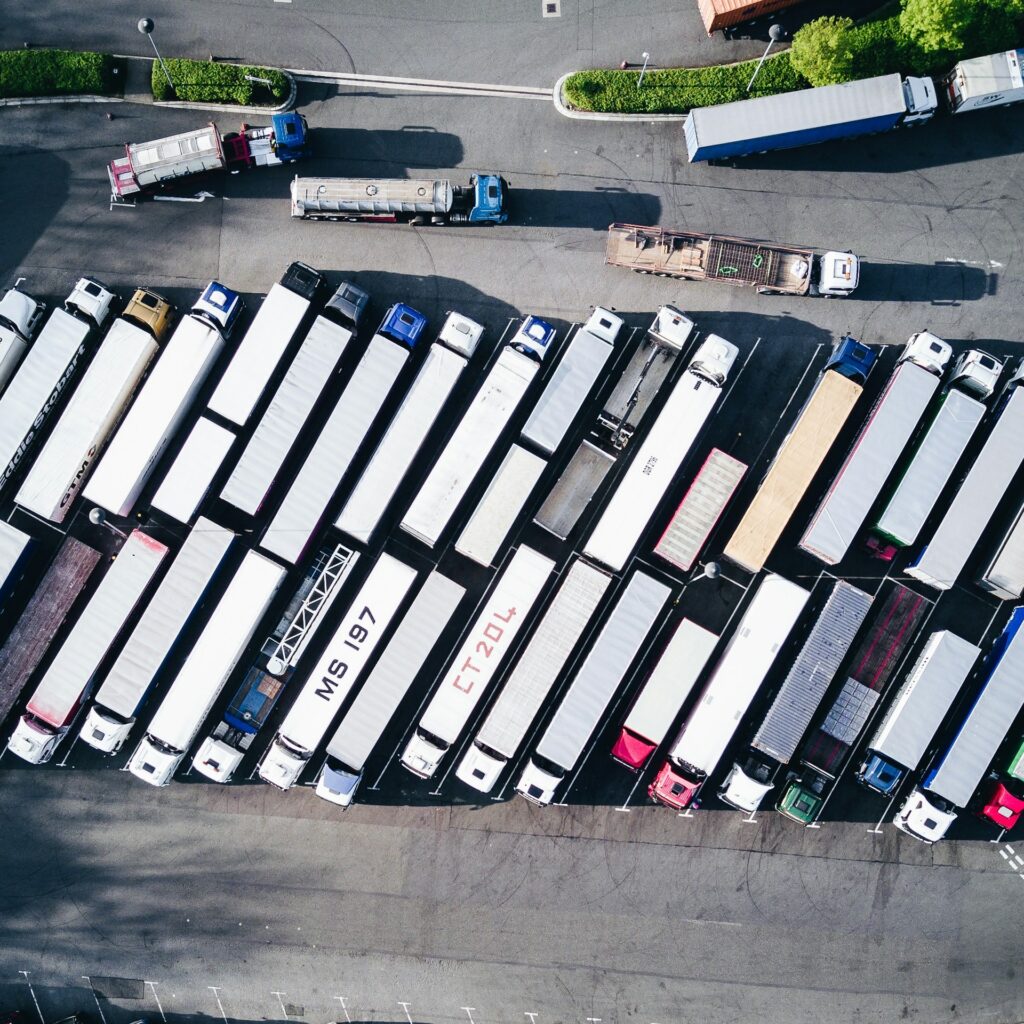
Evaluating used truck pricing requires a careful review of mechanical condition, mileage, and regulatory compliance. This guide explains the core factors that determine a vehicle’s value in a clear, accessible way, helping transport operators improve their purchasing strategies and secure reliable used trucks.
Factors Influencing Used Truck Prices
The technical condition, total mileage, and verified service history directly set the baseline price of a used commercial vehicle. A well-maintained heavy goods vehicle (HGV) with clear service records commands a higher price because it minimizes the risk of immediate breakdowns. Fleet managers factor potential repair costs into their budgets, meaning visible rust, chassis defects, or transmission wear will drastically lower a vehicle’s resale value. Buyers are willing to pay a premium for proven reliability, as it signals lower maintenance costs in the future.
Age and mileage significantly impact depreciation, although this varies between brands. Used trucks generally lose value steadily as newer models introduce better fuel efficiency, advanced safety systems, and improved cab comfort. However, low mileage can offset this age-related depreciation by indicating less wear on major components like the engine, transmission, and axles. Furthermore, certain brands maintain better resale value across Europe due to their reputation for durability and the wide availability of spare parts.
Documented proof of regular maintenance is essential for protecting a truck’s price. A complete service history provides clear transparency regarding part replacements and routine maintenance. Without these records, buyers face financial uncertainty and will demand significant price reductions to cover the risk of hidden mechanical issues.
The final baseline price generally settles around a few key parameters:
-
Market demand: Highly sought-after truck models experience slower depreciation during economic shifts.
-
Emissions standards: Compliance with strict European regulations, such as Euro 6, dictates where a truck can legally operate, which directly affects its market value.
As an international dealer managing a rotating inventory of over 250 assets, Engeros Otepää OÜ sources vehicles from regions with rigorous maintenance cultures, including Sweden, Norway, and Denmark. This strategic procurement ensures that the underlying mechanical condition justifies the purchase price.
Market Demand and Its Effect on Pricing
Economic shifts and regional transport needs heavily influence used truck prices by changing the balance of available inventory. High demand for specific configurations—such as heavy-duty tippers, refrigerated trucks, or long-haul tractors—increases prices across the market. When manufacturers face delays in producing new models, transport companies turn to the used market, raising the cost of high-quality alternatives. Conversely, if there is an oversupply of a specific truck type in a region, sellers must lower prices to attract buyers.
The geographic origin of a vehicle also affects its price. International logistics firms often prefer trucks built to withstand harsh northern climates, heavy payloads, and tough winter roads. Seasonal variations in construction, forestry, and agriculture also create predictable surges in the value of specialized machinery throughout the year.
Vehicle specifications and built-in technology play a major role in a truck’s resale appeal. Trucks equipped with advanced fleet management software, superior aerodynamics, and fuel-efficient engines retain their value much better than basic models. Environmental regulations also shape demand; as cities introduce strict low-emission zones, older, non-compliant vehicles lose value quickly, while modern alternatives become more desirable.
Fluctuations in price generally align with specific market conditions:
-
Elevated demand environments: Specialized heavy machinery or vehicles with advanced safety systems command higher prices due to their immediate usefulness.
-
Reduced demand environments: Niche configurations or older models facing regional driving bans offer cost-saving opportunities if utilized outside of restricted urban zones.
Buying a Used Truck: Key Considerations
Expanding a fleet successfully requires a thorough pre-purchase inspection focused on the engine, structural wear, and regulatory compliance. Evaluating the actual wear and tear against the recorded mileage protects transport companies from unexpected breakdowns and early part failures. It is crucial to review the complete service history to confirm that routine maintenance was strictly followed by previous owners. A lower purchase price rarely makes up for the severe financial drain of prolonged vehicle downtime and major mechanical repairs.
Operational specs—like engine power in kW, total gross vehicle weight in tonnes, and emissions ratings—must align exactly with your business requirements. Buyers must also verify how the truck was used previously, distinguishing between demanding short-haul local deliveries and predictable long-distance highway driving. Understanding these factors allows transport firms to balance the initial purchase price against the projected long-term running costs.
To streamline this buying process, corporate buyers can explore an extensive selection of used trucks that have undergone strict structural reviews. Purchasing from large Northern European dealers provides access to vehicles that are built to remain reliable over the long term.
Operational assessments should focus on clear structural criteria:
-
Technical parameters: Confirm exact engine power, weight limits, and full compatibility with your modern payload demands.
-
Operational history: Check the truck’s past usage to determine potential strain on the chassis, suspension, and braking systems.
Resale Value of Used Trucks
Protecting the resale value of a commercial vehicle depends on consistent maintenance records and choosing durable, well-known brands. Rapid depreciation is a major hidden cost in logistics, but investing in heavy vehicles with established reputations for reliability helps secure your investment. Regular technical upkeep, rust prevention, and the immediate repair of minor mechanical issues preserve the vehicle’s appeal to future buyers. Maintaining excellent records ensures that when it is time to cycle the truck out of the fleet, it commands top market value.
The final valuation achieved during resale depends on a balance of internal upkeep and broader market factors:
-
Vehicle-specific parameters: Structural condition, total mileage, age, and a verifiable maintenance history.
-
External market dynamics: The current supply of identical models, changing emissions laws, and international trade requirements.
For instance, established organizations operating since 2006 near Otepää, Estonia, maintain strict quality control standards to ensure their exported equipment holds its value globally. Fleet managers who pair robust trucks with specialized trailing solutions, such as new Kässbohrer trailers, create efficient transport combinations that minimize running costs. Managing these variables effectively allows transport enterprises to recover the maximum amount of capital during fleet upgrades.
More Stories
Envalior on new thermoplastic formulations to meet HV heat challenges
Schaeffler and Sonatus partnership brings Edge AI to motion control for software-defined vehicles
How Marelli is supporting the transition from ICE to electric powertrains