
















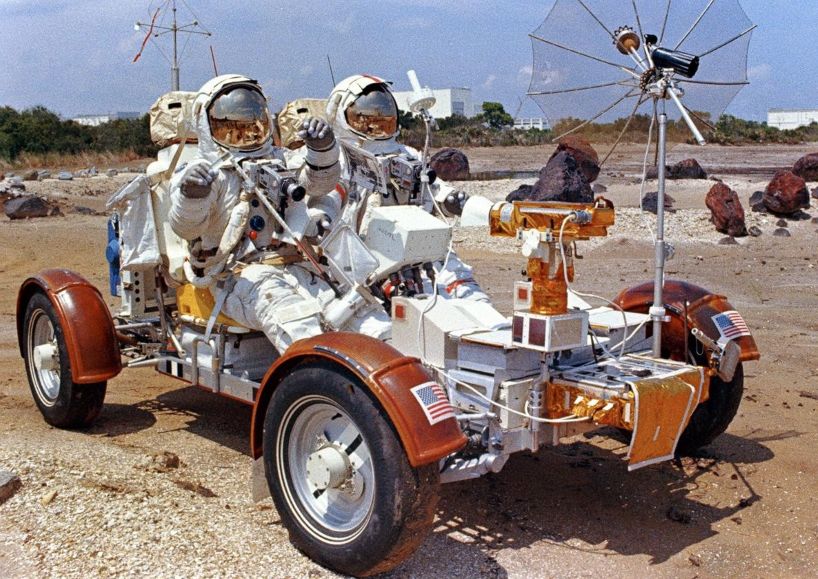
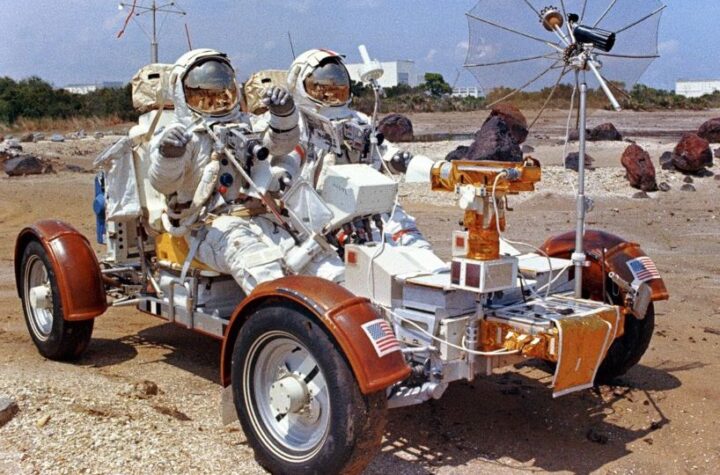
Testing of the all electric Lunar Roving Vehicle (LRV) at the Johnson Space Center. Developed by the MSFC, the LRV was the lightweight electric car designed to increase the range of mobility and productivity of astronauts on the lunar surface. It was used on the last three Apollo missions; Apollo 15, Apollo 16, and Apollo 17.
There are striking parallels between the fundamental changes the automotive industry is undergoing in the switch to electric vehicles and the way the National Aeronautics and Space Administration (NASA) is renewing itself through the Artemis program.
The program is described as much more than a series of missions to return humans to the Moon. It represents a fundamental shift in how NASA operates, collaborates with industry, develops technology, and plans for long-term exploration.
Unlike the Apollo program, which was largely government-led and focused on achieving a geopolitical objective, Artemis is designed to create a sustainable exploration economy that will support future missions to Moon and eventually Mars.
Automotive Industries (AI) asked Jared Isaacman, NASA’s 15th Administrator, on the connections he sees between the automotive industry and space exploration.
Isaacman: There is a natural connection between space exploration and the future of mobility on Earth. Both are about building complex machines that can move safely, operate reliably, manage power intelligently, and increasingly make decisions through software and autonomy.

NASA pushes those challenges to the extreme. A rover on the Moon or Mars must navigate difficult terrain, survive harsh environments, conserve energy, and operate far from immediate human support.
Those are the same problems that are shaping the future of electric, autonomous, and software-defined vehicles here on Earth.
That is where the exchange between aerospace and automotive becomes exciting. Space forces discipline, reliability, and innovation under the hardest conditions. Those lessons can help build smarter, safer, and more resilient transportation systems for the future.
AI: Both industries are solving the same class of problem: how do you move people and machines safely, efficiently, and reliably through increasingly complex environments?
Isaacman: At NASA, we operate in places where the margin for error is very small. That forces advances in autonomy, power systems, software, materials, sensing, communications, and human-machine interfaces.
Those same capabilities matter enormously to the next generation of vehicles on Earth. The automotive industry is already becoming more software-defined, more autonomous, more electrified, and more connected.
Space exploration pushes those technologies to extremes. When you can build systems that work on the Moon, Mars, or in deep space, you create lessons that can strengthen mobility here at home.
AI: With NASA’s Freedom 250 vision highlighting a new golden age of exploration, what specific innovations developed for missions to the Moon and beyond could most rapidly translate into breakthroughs for electric, autonomous, and software-defined vehicles?
Isaacman: The most immediate areas are autonomy, power management, thermal control, advanced materials, and software assurance.
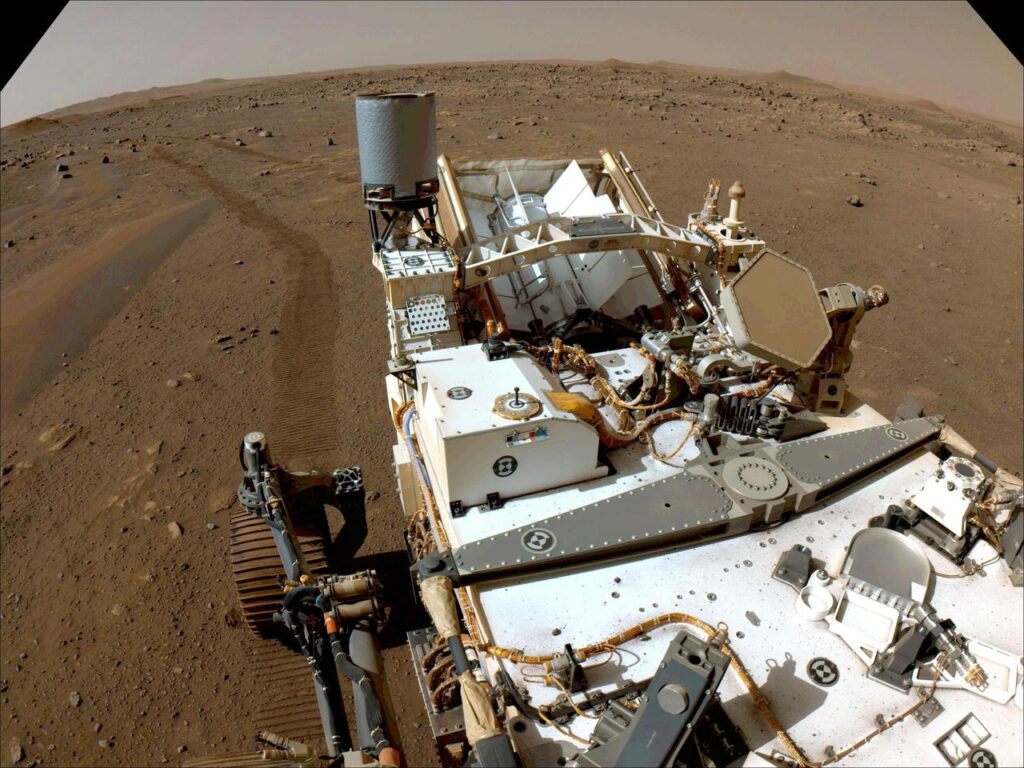
On the Moon and Mars, vehicles have to operate in hostile environments with limited support from Earth. That means they need to understand terrain, manage energy intelligently, make decisions with imperfect information, and remain reliable over long periods of time.
Those are very similar challenges to what automakers are solving with electric and autonomous vehicles, but the difference is that NASA often has to solve them in the harshest possible conditions.
Our vehicles have to contend with fluctuations between extreme heat and extreme cold, constant radiation exposure, dust from the lunar regolith, limited communications, and of course, no roadside assistance.
That pressure produces hard lessons that can carry back into the broader transportation sector. The technological developments that our exploration efforts have spurred since NASA’s earliest days have had countless benefits on Earth, and I can see that translating into the automotive sector in a variety of ways.
AI: Your leadership emphasizes speed, innovation, and public-private collaboration. How can automotive OEMs adopt NASA’s evolving partnership models to accelerate development cycles and reduce risk in next-gen vehicle platforms?
Isaacman: The lesson is not that government and industry should try to do each other’s jobs. The lesson is that you get better outcomes when each side is clear about what it is uniquely positioned to do.
NASA sets ambitious objectives and standards because our job is to accomplish things that have limited or no existing market incentives. Industry brings speed, capital, innovation, and the ability to scale once those incentives exist.
When that relationship works, you can move faster without losing sight of safety or mission assurance.
For automotive OEMs, the model is focus and iteration. Define the outcome, bring in the right partners early, test hardware often, and let data drive the next step.
You do not reduce risk by waiting years for the perfect design, you do so by building, testing, learning, and improving with discipline.
That’s the formula that brought NASA to the Moon in the 1960s, and it’s the same playbook we’re using right now to bring us back to the Moon and establish the Moon Base.
AI: Advanced materials and lightweighting are critical both in spaceflight and automotive engineering. What lessons from NASA’s work on spacecraft and launch systems can directly influence vehicle efficiency, safety, and sustainability?
Isaacman: Mass matters in space more than almost anywhere. Every pound makes a difference in what you can launch from Earth and what you can move within space.
That forces discipline in materials, structures, thermal protection, manufacturability, and system integration.
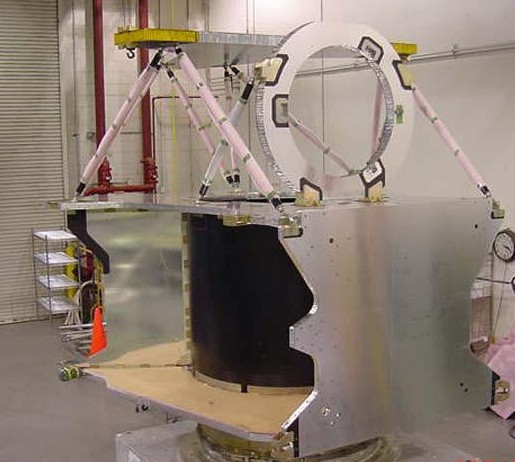
The same mindset applies to vehicles on Earth. Lightweight structures can improve efficiency, extend range, and increase performance, but they have to be durable, safe, and affordable to produce.
That is always the balance. NASA’s experience is valuable because our systems have to survive extreme loads, temperatures, vibration, and long-duration exposure.
The automotive sector faces different conditions, but the engineering principles carry over: understand the environment, design with margin, test aggressively, and never separate performance from reliability.
AI: As AI becomes central to both autonomous driving and deep space missions, how is NASA leveraging artificial intelligence, and what cross-industry opportunities exist for automakers to collaborate in this domain?
Isaacman: AI is going to be critical as we operate farther from Earth. The farther you go, the more independence your systems need. You cannot have every decision waiting on a human command when communications delays and mission complexity increase.
We are using autonomy and AI to improve science operations, mission planning, robotics, terrain assessment, and eventually surface mobility on the Moon and Mars.
The recent advances in AI-guided rover operations are a glimpse of where this can go: Recently, the teams at JPL behind the Perseverance rover on Mars carried out its first drive in which the route was planned by AI, which could help improve the efficiency and overall return on investment on systems that have to operate at great distances from Earth.
Automakers are working through many of the same issues: perception, decision-making, reliability, edge computing, validation, and trust. There is a lot of room for collaboration around how you prove these systems are safe enough to operate in the real world.
AI: NASA’s Artemis and lunar infrastructure initiatives require extreme reliability. How can automotive manufacturers apply these standards to improve durability and resilience in increasingly complex vehicle architectures?
Isaacman: The first lesson is that complexity has to be managed intentionally. Modern vehicles are becoming rolling software platforms with batteries, sensors, compute, communications, autonomy, and advanced control systems. That is a lot of integration risk.
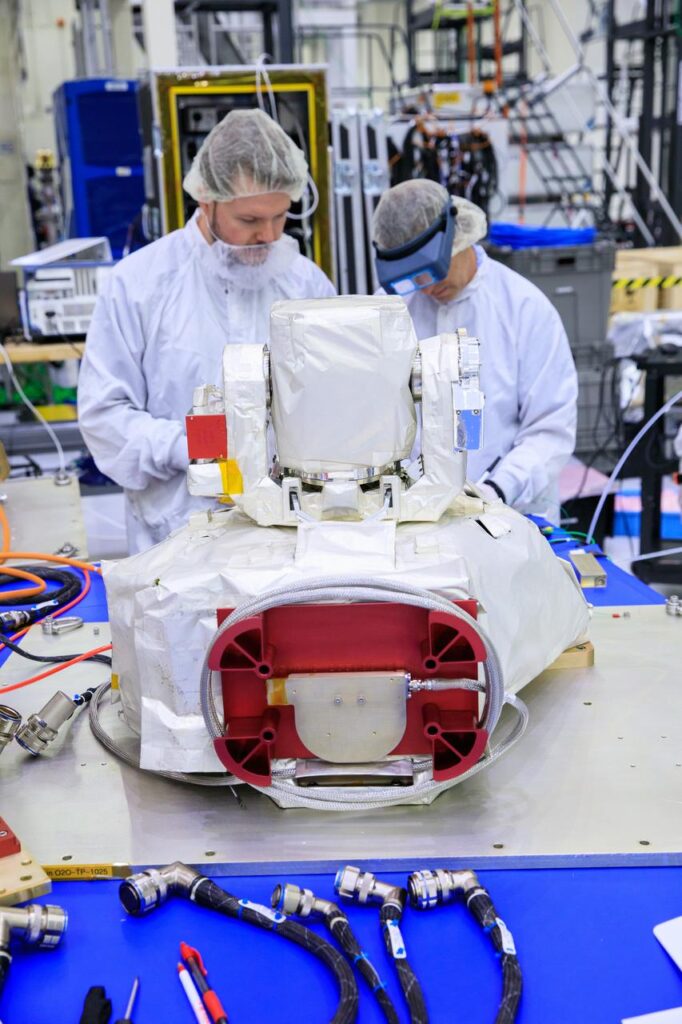
NASA’s work is built around understanding how systems fail and making sure critical functions remain available when they are needed most. That means implementing redundancy where it matters and ensuring strong verification, disciplined testing, and clear ownership of risk.
The automotive sector does not need to copy NASA’s process in full. That would not make sense, but the mindset matters.
Know your critical systems, test them under realistic conditions, understand failure modes, and build architectures that are resilient when something does not go according to plan.
AI: Looking at NASA’s celebration of 250 years of American innovation, what role do you see the automotive sector playing in supporting the broader ecosystem of exploration, logistics, and terrestrial-to-space mobility?
Isaacman: The automotive sector has always been part of the American story of scale, manufacturing, mobility, and industrial strength. Those capabilities matter to space more than people realize.
As we build our Moon Base and expand operations beyond Earth, we will need mobility systems, logistics networks, robotics, batteries, autonomous platforms, advanced manufacturing, and durable machines that can operate in extreme environments.
Those are areas where the automotive industry has enormous experience.
America’s future in space will not be built by NASA alone. It will take aerospace, automotive, energy, advanced manufacturing, software, and countless other sectors working toward shared objectives. That is how you build a real industrial base for exploration.
AI: Software-defined systems are transforming vehicles into continuously evolving platforms. How does NASA approach software validation and cybersecurity in mission-critical environments, and what can automakers learn from it?
Isaacman: At NASA, software assurance is mission assurance. We independently verify and validate critical software because the consequences of failure can be severe. That means looking hard at requirements, interfaces, fault tolerance, cybersecurity, and how the system behaves when the unexpected happens.
Automakers are living in that world now. Vehicles are connected, updateable, sensor-heavy platforms. That creates enormous capability, but also new risk. The lesson from NASA is that software cannot be treated as an afterthought or a feature layer, it is part of the safety architecture.
AI: From your unique perspective bridging entrepreneurship, aviation, and now NASA leadership, what bold mindset shifts should automotive executives adopt today to remain competitive in a future shaped by space-age technologies?
Isaacman: The biggest mindset shift is to move from protecting legacy assumptions to building the future before someone else does. Every industry reaches moments where the old model still works, but the next model is already forming.
That is when leadership matters: You have to be willing to test, iterate, partner, and move with urgency.
My view is simple: focus on the outcomes that matter, bring the best talent to the hardest problems, and build systems that improve with every cycle. That is true in aviation and space, and it is true in the automotive industry as well.
The companies that win the next era of mobility will be the ones that combine engineering discipline with speed. Not speed at the expense of safety, but speed informed by testing, data, and a willingness to improve faster than the competition.

More Stories
Danisense appoints Hjalti Pall Thorvardarson as new Chief Operating Officer (COO) to strengthen Danisense’s ma nagement team
The 8th edition of Automechanika Ho Chi Minh City wraps up with strong optimism on Vietnam’s electrified future and new growth in the ecosystem
How to Sell a Used Car to a Dealer for the Highest Value