
















Image
Texas is one of the largest states in the US. It has one of the largest road networks in the United States, which means crashes can range from minor city incidents to high-speed highway collisions.
Roads there can be busy, unpredictable, and honestly a bit overwhelming after a serious collision. This makes early documentation especially important because investigators often deal with complex traffic patterns and multiple parties involved.
That’s where a Texas crash report comes in. These reports are the starting point of a legal investigation after a road accident. They create an official record that explains how a crash happened, who was involved, and what was observed at the scene.
Establishes Key Facts
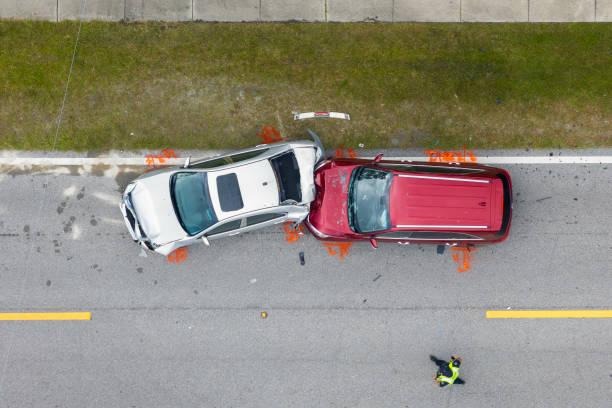
Accident reports matter because they lock in the basic facts early, when memories are still fresh and the scene still speaks for itself. An officer arriving at a crash usually writes down things like location, weather, time, vehicle positions, and visible damage.
Under Texas Transportation Code § 550.062, officers are required to file a written crash report when a collision involves injury, death, or significant property damage. That legal structure is what turns a chaotic roadside moment into something usable later in court or negotiations.
According to the National Highway Traffic Safety Administration (NHTSA), over 40,000 people die in motor vehicle crashes in the U.S. each year. That number alone explains why accurate crash documentation is treated seriously across legal and insurance systems.
Helps Determine Fault
Fault is rarely obvious in the moment. People remember things differently; emotions blur details, and even honest witnesses disagree sometimes. Accident reports help by capturing what the responding officer observed without being directly part of the crash. Not perfect, but steady.
Investigators often look at:
-
Vehicle positions after impact
-
Traffic signals or signs nearby
-
Statements from drivers and witnesses
-
Visible road evidence like tire marks or debris
It’s rarely just one thing that decides fault. More like a pattern forming slowly, piece by piece. The report is usually where that pattern begins to show itself.
Provides Unbiased Opinion
There’s something grounding about having an outside observer document what happened. Not someone involved. Not someone emotionally tied to the outcome.
Police officers write from what they see, not what they feel. That distance matters.
Still, it’s not treated as final judgment in court. Judges and insurers know it has limits. But it often carries weight because it was created at the scene, not weeks later after stories start changing.
Sometimes you’ll notice wording in reports that feels careful or neutral. That’s intentional. It avoids assumptions – just observations and just facts, as they appeared in that moment.
Preserves Witness Information
Witnesses are one of those things people underestimate until they really need them.
An accident report often includes names and contact details of anyone who saw the crash. That part alone can change the direction of a case later on. Having those details written down early means attorneys can reach out later if something doesn’t add up.
And sometimes, a witness remembers something no one else noticed. This could be a light that changed late or a driver looking down – tiny things that matter.
Maps the Accident Dynamics
Most reports include a simple diagram. Nothing fancy. Just a sketch of the scene, but it can say a lot. It usually shows:
-
Direction of travel
-
Point of impact
-
Road layout
-
Vehicle placement
And when you pair that diagram with photos or reconstruction work, the accident starts to make more sense structurally, like pieces finally clicking into place. Texas courts often rely on these visual records alongside other evidence under Texas Rules of Evidence 901, which governs authentication of evidence.
Key Takeaways
-
Accident reports preserve early facts from the crash scene.
-
They help establish key facts while memories are fresh.
-
They help identify possible fault patterns.
-
They provide neutral observations from responding officers.
-
They keep witness details from being lost.
-
They include diagrams that map how the crash happened.
-
They support legal and insurance investigations under Texas law.

More Stories
What a Workplace Injury Lawyer Does to Advance Your Legal Claim
What Every Driver Should Know About Traffic Cameras
Do All Vehicles in Minnesota Need a Front License Plate?