
Image by: Pexels
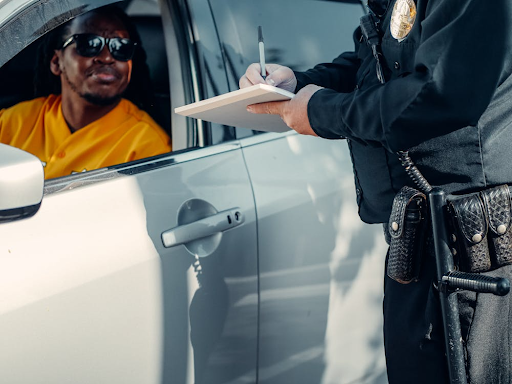
If you forgot your driver’s license during a traffic stop, the most important thing to do is stay calm, cooperate with the police officer, and provide accurate identification information if possible. In many situations, officers can verify your driving status electronically, but the outcome may still depend on state laws, the reason for the stop, and whether your license is valid or expired.
Many drivers panic when they realize they left their wallet or license at home. Questions like “If you get pulled over without your license, what happens?” are common because people are unsure whether they will receive a warning, ticket, or more serious penalty. While forgetting a license is usually less severe than driving without a valid license altogether, it can still create legal complications if handled poorly.
Stay Calm and Pull Over Safely
The first step during any traffic stop is to remain calm and safely pull your vehicle over to the side of the road.
You should:
-
Use your turn signal
-
Pull over in a safe location
-
Turn off the engine
-
Keep your hands visible
-
Avoid sudden movements
Staying calm helps reduce tension and shows the officer that you are cooperating.
Be Honest About Forgetting Your License
If you realize you do not have your license with you, it is best to be honest immediately.
You can politely explain:
-
That you forgot your wallet
-
That your license was left at home
-
That you accidentally switched bags or jackets
Avoid making excuses or providing false information. Honesty often helps keep the situation from escalating unnecessarily.
Provide Other Identification If Possible
Even if you do not have your driver’s license, providing another form of identification may help the officer verify your identity more quickly.
Helpful alternatives may include:
-
State-issued ID card
-
Passport
-
Vehicle registration
-
Insurance card
-
Digital copies of identification if legally accepted
Most officers can also search driving records using your full name, date of birth, and address.
Understand the Difference Between “Forgotten” and “Invalid” Licenses
One important distinction is whether you simply forgot your license or if it is actually invalid.
Forgotten License
If your license is valid but not physically with you, the situation is usually less serious.
Possible outcomes may include:
-
A warning
-
A fix-it ticket
-
A minor citation
Invalid Or Suspended License
If your license is expired, suspended, revoked, or never issued, the consequences can be much more serious.
Possible penalties may include:
-
Larger fines
-
Vehicle impoundment
-
Arrest in some cases
-
Court appearances
-
Additional criminal charges
The severity depends on state laws and prior driving history.
Expect The Officer To Verify Your Information
During the stop, the officer will likely run your information through a database to confirm:
-
Your identity
-
License status
-
Registration validity
-
Outstanding warrants or violations
If your license is valid and there are no other issues, the stop may remain relatively simple.
You May Still Receive A Ticket
Even if your license is valid, many states legally require drivers to carry their license while operating a vehicle.
As a result, the officer may issue:
-
A citation for failure to display a license
-
A correctable ticket
-
A warning
In some jurisdictions, the ticket may later be dismissed if you provide proof of a valid license before your court date.
Avoid Arguing With The Officer
Arguing during a traffic stop can make the situation worse. Even if you believe the stop was unnecessary, remaining respectful is usually the smartest approach.
Avoid:
-
Raising your voice
-
Refusing to cooperate
-
Making sudden movements
-
Interrupting the officer repeatedly
You can address legal disagreements later through proper legal channels if necessary.
Know Your Rights During the Stop
While cooperation is important, drivers still have rights during traffic stops.
You generally have the right to:
-
Remain silent beyond basic identification questions
-
Decline consent to vehicle searches in some situations
-
Ask why you were stopped
-
Request clarification about citations
However, laws vary by state, and refusing lawful requests may create additional problems.
Digital Driver’s Licenses In Some States
Some states now allow digital driver’s licenses through approved mobile apps.
In states where digital IDs are accepted, drivers may legally present the following:
-
State-approved digital identification apps
However, not every state accepts digital licenses yet, so physical licenses are still the safest option in most areas.
What Happens If You Cannot Verify Your Identity?
If an officer cannot confirm your identity or license status, the situation may become more serious.
Possible outcomes include the following:
-
Additional questioning
-
Vehicle towing
-
Temporary detention
-
Arrest in rare cases
This is more likely if the driver provides inconsistent information or appears suspicious.
Key Takeaways
-
If you forget your license during a traffic stop, stay calm and cooperate with the officer.
-
A forgotten license is usually less serious than driving with a suspended or invalid license.
-
Officers can often verify your identity electronically.
-
You may still receive a warning or citation for not carrying your license.
-
Providing honest information and alternative identification can help the process go smoothly.
-
Avoid arguing or behaving aggressively during the stop.
-
Some states allow digital driver’s licenses, but physical licenses are still recommended.
-
Following ticket instructions and resolving citations quickly can help avoid further penalties.


More Stories
ASI Releases CEO Playbook for Scaling Autonomy Across Industrial Operations
SAKURA internet Joins Automotive Edge Computing Consortium to Help Drive a Sustainable Connected Vehicle Ecosystem
Ford F-150 Beginner Off-Road Gear Checklist: LED Lights, Recovery Tools, and Trail Essentials