
Building a Modern Sports and Entertainment Empire Through Passion, Technology, and Civic Vision
Ted Leonsis has built one of the most influential sports and entertainment organizations in the United States by combining entrepreneurial instinct, long-term vision, and a deep belief that sports can be a force for civic identity and economic transformation. As founder, chairman, managing partner, and CEO of Monumental Sports & Entertainment (MSE), Leonsis has created a vertically integrated ecosystem that blends professional sports, media, real estate, and live entertainment into a single operating model.
From his early career as a senior executive at AOL during the internet revolution to becoming a billionaire sports owner, Leonsis represents a rare category of entrepreneur: one who repeatedly reinvents himself across industries while maintaining a consistent philosophy centered on growth, engagement, and emotional connection.
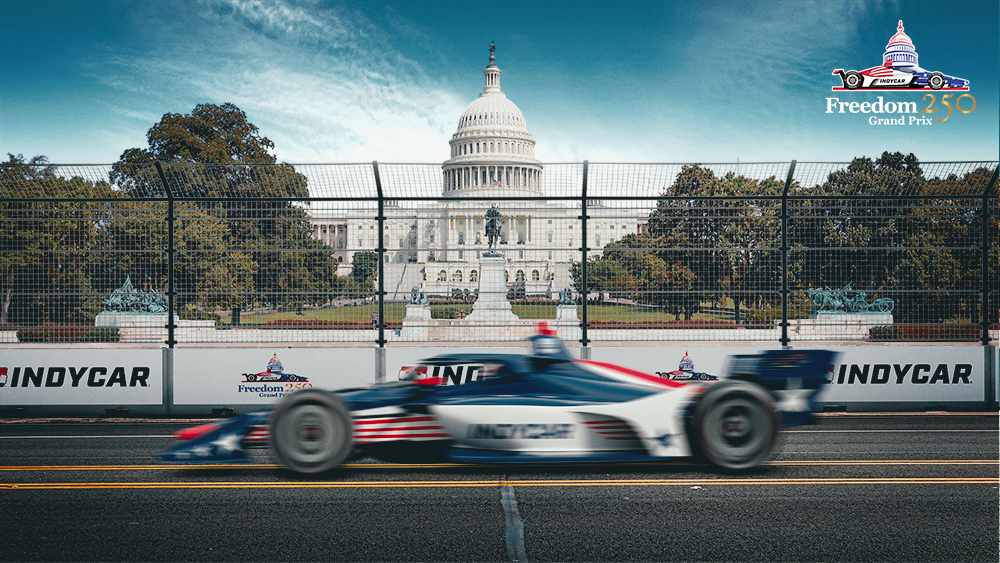
At the heart of his leadership style is what he calls the “business of happiness,” a framework that prioritizes fans, employees, communities, and long-term value creation. That philosophy is now being tested on one of his most ambitious projects yet: the Freedom 250 Grand Prix in Washington, D.C., an IndyCar race tied to America’s 250th anniversary celebrations.
From AOL to Monumental: The Entrepreneurial Foundation
Leonsis first rose to prominence as a key executive at AOL, where he played a major role during the company’s explosive growth in the 1990s and early 2000s. AOL became one of the defining companies of the early internet era, shaping how millions of people accessed digital communication, email, and online content.
That experience gave Leonsis two foundational insights that would define his later career:
- Technology platforms scale fastest when they create emotional engagement.
- Communities, not just products, are what sustain long-term value.
After leaving AOL, Leonsis transitioned into venture capital, media, and eventually sports ownership. His acquisition and development of the Washington Capitals (NHL), Washington Wizards (NBA), and Washington Mystics (WNBA) formed the foundation of Monumental Sports & Entertainment.
Over time, MSE evolved from a traditional sports ownership group into a diversified entertainment and media company, including Capital One Arena and Monumental Sports Network.
The Business of Happiness: Leonsis’ Leadership Philosophy
Leonsis has consistently promoted a leadership model that blends profitability with emotional intelligence and civic responsibility. He has often described his approach as the “business of happiness,” where success is measured not only in financial returns but also in the satisfaction of fans, employees, and communities.
This philosophy is especially visible in how MSE operates sports franchises. Rather than treating teams as isolated assets, Leonsis positions them as interconnected parts of a broader ecosystem that includes media distribution, live events, and digital engagement.
His strategy reflects a broader shift in modern sports business: teams are no longer just competitive units—they are media brands, content engines, and civic identity platforms.
The Freedom 250 Grand Prix: A Civic and Commercial Experiment
The Freedom 250 Grand Prix represents one of the most ambitious expansions of Leonsis’ vision to date. The IndyCar street race in Washington, D.C. is designed not only as a sporting event but as a centerpiece of the United States’ 250th anniversary celebrations.
Monumental Sports & Entertainment plays a critical role in the commercial and experiential structure of the event, acting as the official marketing, sponsorship, and hospitality sales partner.
In official communication, IndyCar confirmed MSE’s position as a key commercial operator responsible for building the business ecosystem around the race weekend, particularly in sponsorship and premium fan experiences.
Ted Leonsis on the Freedom 250 Grand Prix
Leonsis has publicly articulated his vision for the event through a series of statements that highlight both civic pride and commercial ambition.
On the significance of the race, he stated:
“The Freedom 250 Grand Prix will be an exciting moment for our city and for Monumental Sports & Entertainment.”
He also emphasized the unique setting and global visibility of the event:
“Bringing INDYCAR racing to the streets of DC – with a course set against the backdrop of the National Mall – will create a truly unique global sports moment.”
Leonsis has consistently framed the race as more than entertainment, highlighting its broader economic and social impact:
“Events like this demonstrate the power of sports and live experiences to bring people together, attract visitors and drive economic activity for the region.”
In the context of America’s 250th anniversary, he expanded the narrative further:
“As we look ahead to America’s 250th anniversary, the Freedom 250 Grand Prix will be a defining moment that brings together sport, history and community in the heart of our city.”
Finally, he reinforced the positioning of Washington, D.C. as a global destination:
“It’s bold, it’s different, and it reflects the kind of world-class experiences our city is capable of hosting.”
These statements collectively reflect Leonsis’ belief that sports events are not isolated entertainment products but powerful civic platforms capable of shaping perception, tourism, and economic development.
MSE’s Role in the Freedom 250 Ecosystem
Monumental Sports & Entertainment plays a highly specific role in the Freedom 250 Grand Prix structure. Rather than organizing the race itself, MSE functions as the commercial and experiential engine of the event.
Their responsibilities include:
- Sponsorship acquisition and corporate partnerships
- Premium hospitality development
- VIP experience design and sales
- Local activation and fan engagement programs in Washington, D.C.
- Integration of the race into the broader entertainment ecosystem of the city
This approach mirrors how MSE already operates within traditional sports venues, particularly Capital One Arena, where the focus is on maximizing both fan engagement and commercial yield per experience.
The Business Model Behind the Grand Prix
The Freedom 250 Grand Prix represents a hybrid monetization model that differs significantly from traditional motorsport events.
Instead of relying primarily on ticket sales, the structure is built around:
- Corporate sponsorship tiers
- High-margin hospitality packages
- Brand activation zones
- Select premium ticketing experiences
- Broad public access areas designed to maximize civic participation
This structure allows the event to function as both a mass public celebration and a high-value commercial platform.
In essence, MSE’s strategy is to create a “free cultural spectacle at scale” supported by a “premium monetization layer.”
Comparing Freedom 250 to Monaco, Las Vegas, and the Indy 500
The Freedom 250 Grand Prix sits at an intersection of three major motorsport models.
Monaco Grand Prix
Monaco represents exclusivity and prestige. It is defined by limited access, ultra-high-end hospitality, and global luxury branding. The value is driven by scarcity and tradition.
Las Vegas Grand Prix
Las Vegas represents entertainment integration. It combines racing with tourism, casinos, hotels, and large-scale commercial activation. The city itself becomes the product.
Indy 500
The Indianapolis 500 represents scale and tradition. It is one of the largest single-day sporting events in the world, driven by mass attendance and historic legacy.
Freedom 250
The Washington D.C. event combines elements of all three:
- Prestige and symbolism (Monaco-like positioning)
- City-wide activation (Las Vegas-style integration)
- Mass accessibility (Indy 500-scale audience participation)
However, its defining feature is civic framing. Unlike other races, Freedom 250 is explicitly tied to a national milestone: the 250th anniversary of the United States.
Entrepreneurship, Passion, and Long-Term Vision
Leonsis’ involvement in Freedom 250 reflects a consistent theme across his career: the belief that large-scale experiences can reshape cities, industries, and public perception.
His entrepreneurial approach is not limited to financial optimization. Instead, it emphasizes ecosystem building—connecting media, sports, real estate, and technology into a unified structure.
The Freedom 250 Grand Prix is a manifestation of that philosophy. It is not simply a race; it is a platform for:
- Civic storytelling
- Economic activation
- Media amplification
- Brand ecosystem expansion
- Community engagement
This aligns with Leonsis’ long-standing view that sports are one of the most powerful tools for uniting people across demographics, industries, and geographies.
A New Model for Sports-Led Civic Innovation
Ted Leonsis stands at the intersection of entrepreneurship, sports business, and civic innovation. Through Monumental Sports & Entertainment, he has built a model that treats sports not as isolated competitions but as integrated platforms for economic and cultural development.
The Freedom 250 Grand Prix represents the next evolution of that model. It combines national symbolism, commercial enterprise, and live entertainment into a single large-scale experience designed for both public participation and private value creation.
In Leonsis’ own framing, it is not just about racing:
It is about bringing people together, creating economic impact, and positioning Washington, D.C. as a global stage for world-class experiences.
As the United States approaches its 250th anniversary, the Freedom 250 Grand Prix may ultimately serve as a case study in how modern entrepreneurship, sports, and civic identity can converge into a new kind of urban and cultural platform—one built not only on competition, but on connection, commerce, and collective celebration.
More Stories
Best ATV for Farm Work and Best UTV for Ranch Owners
UnitX Launches The World’s Fastest to Deploy AI Smart Camera to Bridge the Manufacturing Vision Gap
QoreAI and ID Privacy AI Partner to Power the Next Generation of the Intelligent Dealerships