
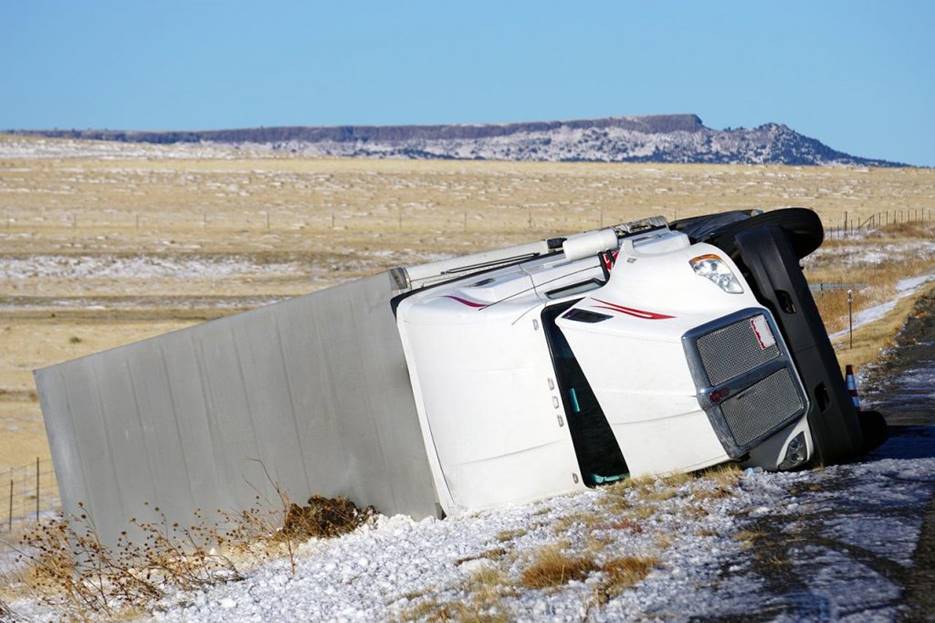
Big trucks are everywhere in the United States. They bring food to stores, supplies to hospitals, and packages to front doors. Most of the time, they do their job quietly and move on. But when something goes wrong, it goes very wrong. Truck accidents tend to be serious, sometimes life-changing, and often confusing for the people involved.
What makes truck accidents especially troubling is that many of them are not random. They happen for reasons that are mostly preventable. Yet, they happen and leave the victims in dire conditions.
In situations like these, people often turn to experienced legal help, such as the Cal Mundell Law Firm, to make sense of what happened and who should be held responsible.
But before any of that, it helps to understand why truck accidents happen in the first place, and what could have been done to stop them.
Driver Error
Most truck accidents happen because of driver error. That does not always mean a driver was careless on purpose. Sometimes it means they were tired. Sometimes rushed. Sometimes distracted. Sometimes pushed too far by schedules that look fine on paper but feel impossible in real life.
Studies across transportation safety keep pointing to the same thing. Human factors cause the majority of crashes. Not weather. Not machines. People.
Truck drivers work long hours. They sit for long stretches. They drive through nights, storms, traffic, construction zones, and pressure. Over time, that wears on the body and the mind. When the mind slips, even a little, mistakes happen.
Fatigue
Fatigue is one of the most common and most underestimated causes of truck accidents. A tired driver does not always feel sleepy. That is part of the problem. Fatigue can show up as slower reactions, poor judgment, missed signs, and delayed braking.
A driver might think they are fine. They might feel alert enough. But their brain are already lagging behind what the road demands.
Long shifts, overnight driving, early starts, back-to-back schedules, and not enough real rest all add up. Over time, fatigue becomes normal for some drivers. That is when it becomes dangerous.
Speeding and Aggressive Driving
Trucks are not built to stop quickly. They need distance. They need time. Speeding takes both away.
When a truck goes too fast, especially in traffic or poor weather, the driver has fewer options if something unexpected happens. A car cuts in. Traffic slows. A lane ends. A tire blows.
Aggressive driving adds to the problem. Following too closely. Changing lanes without enough space. Pushing through traffic to make up time.
Sometimes the pressure to meet delivery deadlines encourages this behavior. The clock becomes louder than common sense. And that is when mistakes turn into crashes.
Mechanical Problems
Trucks travel long distances every day. That means parts wear out faster. Tires, brakes, steering systems, and lights. All of it needs regular inspection and maintenance.
When maintenance is skipped or delayed, small issues turn into brake problems, tire blowouts, steering loss, etc. These failures often happen at highway speeds. When that happens, the driver may have no real control left.
How Truck Accidents Can Be Prevented
Not every accident can be stopped. But many can. Prevention starts with realistic schedules. Drivers need real rest, not just time off on paper. Companies need to stop rewarding speed over safety.
Training should also be mandatory. Drivers need regular refreshers, not just once at the beginning of their career. Defensive driving skills save lives.
Inspections need to be done properly, and they need to be honest. If something is wrong with the truck, it should be fixed before it ever goes out, not after something breaks.
Technology can help with this. Some systems watch things like tired driving, speed, braking, and staying in the lane. They can spot problems early, but only if the company actually pays attention to what the system shows.
And for everyone else on the road, paying attention still matters. Giving trucks space, staying out of their blind spots, being patient, and not cutting in front of them may seem small, but they really help lower the risk.
Key Takeaways
- Most truck crashes happen because people make mistakes, not because something random went wrong.
- Truck drivers can be tired even when they say they feel fine, and fatigued driving makes accidents more likely.
- Things like speeding, checking phones, or rushing to meet deadlines make the road more dangerous.
- Staying safe is not just the truck driver’s job. Companies, car drivers, and everyone else on the road all play a part.

More Stories
Roboteon’s Raj Senguttuvan on AI Orchestration, Digital Twins and the Future of Intelligent Factory Automation
It’s the “Return of the King” as Shelby American Reintroduces F-150 Super Snake Sport Two Door Truck with 810+ Horsepower
Pulse of Quality in Manufacturing Survey Reveals Impact of Geopolitical Tension, Recalls, Trade Tariffs on Automotive Sector