
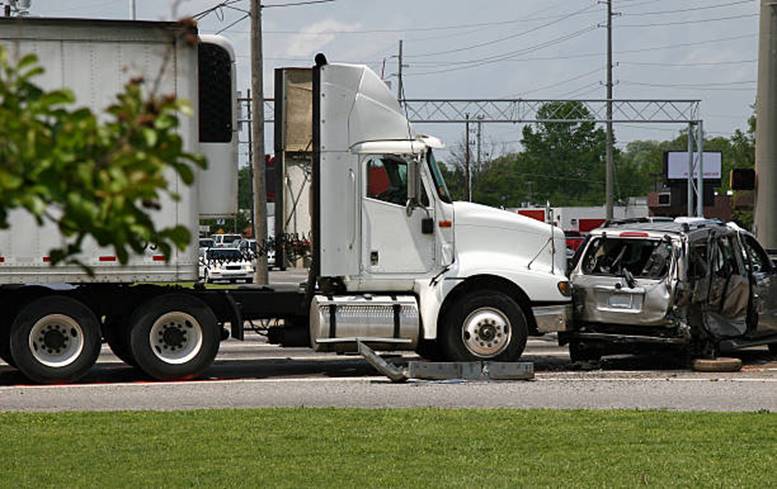
Truck accidents can be devastating. Crash victims often face challenges beyond vehicle damage. These issues include long-term injuries, expensive medical bills, and emotional stress. Understanding the types of damages available in truck accident claims can greatly help you pursue fair compensation.
Understanding the law is crucial when recovering damages after a truck accident, as the process could be more complex. Trucking firms have teams of lawyers and insurance policies with high limits and strict conditions. It is essential to understand what damages you can claim and how they are calculated.
- Economic Damages: The Tangible Costs
The economic damages from a truck accident are the tangible, measurable costs. These may include:
- Medical expenses may include emergency treatment, surgery, hospitalization, medication, physical therapy, and specialized equipment such as wheelchairs or braces.
- If you could not work due to your injuries, you can seek compensation for lost wages.
- If injuries are permanent or long-term, compensation may also include reduced earning capacity.
- Damage to your vehicle and personal property may also be compensated.
They are called “economic” damages because they can be measured. Receipts, invoices, and pay stubs are commonly used to support these claims.
- Non-Economic Damages: The Personal Impact
Non-economic damages are not tangible but are equally significant. They focus on the emotional, psychological, and personal effects of a truck crash. Common examples include:
- The physical pain caused by your injuries, surgeries, or further medical treatment.
- Emotional distress, including anxiety and depression, was caused by the accident.
- Loss of consortium refers to the negative impact an injury has on family relationships.
The subjective nature of these damages makes them more difficult to quantify than economic damages. Courts consider the severity of the injury, the duration of suffering, and the overall impact on the victim’s life.
Punitive Damages in Truck Accident Cases
In rare cases, punitive damages may also be awarded. These damages are intended to punish a truck driver or company for extremely reckless or egregious conduct, not to compensate the victim.
For example, knowingly violating safety regulations or overloading a truck may justify punitive damages. Though rare, punitive damages can greatly enhance overall damages.
Why Understanding Both Matters
Understanding the difference between economic and non-economic damages can help the victim and their families plan for the future. The medical bills and lost wages are immediate worries. However, the emotional effects and impacts on lifestyle can linger for years. Considering both types of damages helps ensure full and fair compensation.
Disputes over liability or damages can quickly turn a truck accident claim into a legal nightmare. Understand what benefits you can get to maximize your recovery. Victims can maximize compensation by carefully documenting expenses and the accident’s impact on their lives.
Key Takeaways
- Economic damages include quantifiable costs, such as medical expenses, lost income, and damages to property.
- Non-economic damages, such as pain and suffering or effects on one’s lifestyle, are also considered.
- Punitive damages may apply in cases of extreme negligence.
- Recognizing all available damages helps ensure fair and complete compensation.


More Stories
Roboteon’s Raj Senguttuvan on AI Orchestration, Digital Twins and the Future of Intelligent Factory Automation
It’s the “Return of the King” as Shelby American Reintroduces F-150 Super Snake Sport Two Door Truck with 810+ Horsepower
Pulse of Quality in Manufacturing Survey Reveals Impact of Geopolitical Tension, Recalls, Trade Tariffs on Automotive Sector